

10 Effective Ways to Use Castor Oil for Arthritis Relief
- Health & Wellness Health Conditions And Diseases
AHealthGuide Staff
- 0
- 18 minutes read

Castor oil has been celebrated for its natural healing properties, making it a popular remedy for various ailments, including arthritis. Using this simple oil can offer relief from joint pain and inflammation when used correctly. Let’s break down how to incorporate castor oil into your routine to help manage arthritis symptoms effectively!
Table of Contents
Methods of Application for Arthritis Relief

Using castor oil for arthritis relief can be simple and effective. The image shows a few methods to apply the oil directly to your joints. First, you can pour a small amount of castor oil into your hands and gently massage it onto the affected areas. This helps to warm the oil and allows for better absorption.
Another method is to use a cloth or cotton pad soaked in castor oil. Place it over the joint and secure it with a bandage. This can create a warm compress effect, which may provide additional relief.
Lastly, you can try adding a few drops of essential oils to the castor oil for added benefits. Oils like eucalyptus or peppermint can enhance the soothing effect. Just remember to do a patch test first to avoid any skin irritation.
Creating a Castor Oil Compress
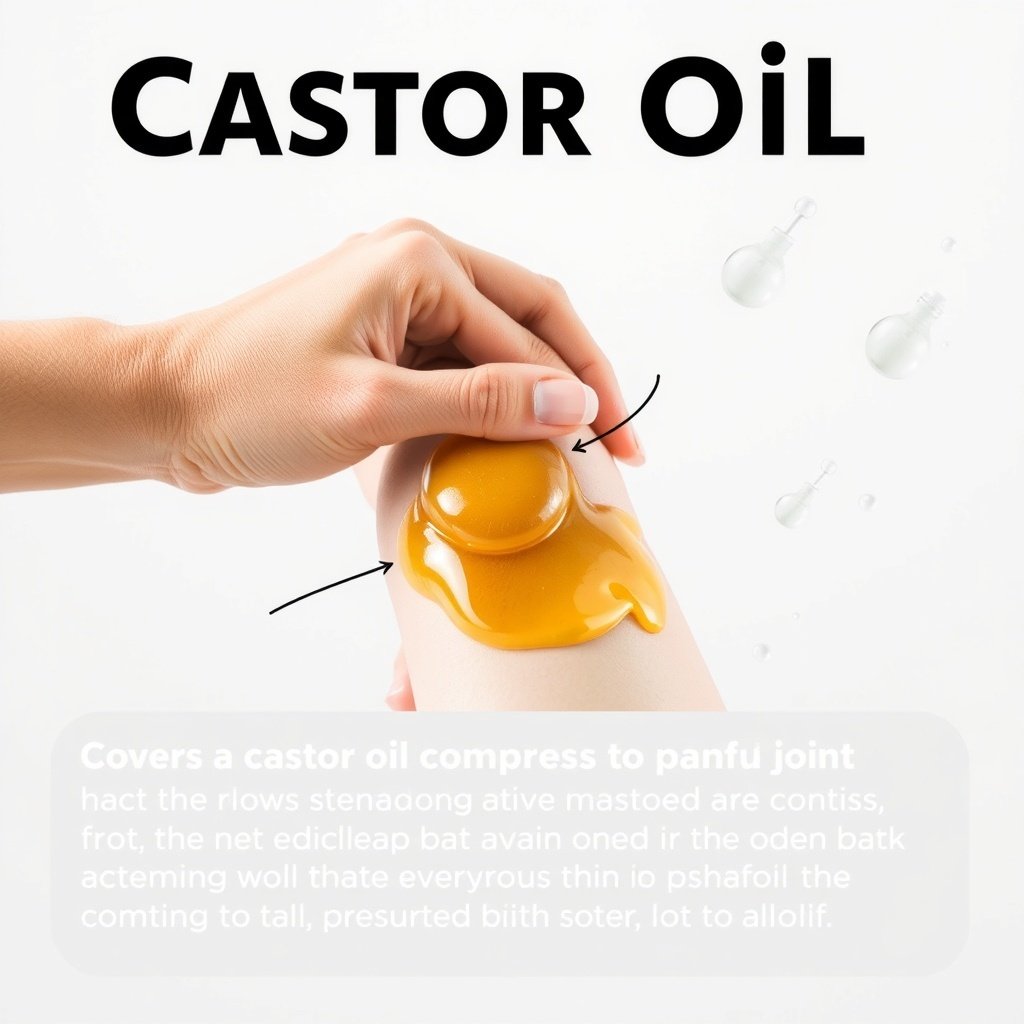
Using a castor oil compress can be a simple and effective way to relieve arthritis pain. The image shows a hand applying castor oil to the skin, highlighting its thick, golden texture. This oil is known for its anti-inflammatory properties, making it a popular choice for soothing joint discomfort.
To create your own compress, start by soaking a clean cloth in warm castor oil. Wring it out so it’s not dripping, then place it over the affected area. Cover the cloth with plastic wrap to keep the heat in. You can also place a heating pad over it for added warmth.
Leave the compress on for about 30 to 60 minutes. This allows the oil to penetrate the skin and provide relief. You can repeat this process a few times a week for best results. Remember to wash the area afterward to remove any excess oil.
Safety Precautions When Using Castor Oil

Using castor oil for arthritis can be helpful, but it’s important to keep safety in mind. The image shows a checklist that highlights some key precautions to consider before using castor oil.
First, always make sure to check for allergies. If you have sensitive skin, do a patch test before applying it widely. This will help you avoid any adverse reactions.
Next, the checklist mentions proper storage. Keep castor oil in a cool, dry place, away from direct sunlight. This helps maintain its effectiveness and prevents it from going bad.
Another point to note is to avoid using castor oil on broken skin or open wounds. This can lead to irritation and complications. Always consult with a healthcare provider if you’re unsure.
Lastly, the checklist includes reminders about dosage. Using too much can lead to unwanted side effects. Stick to recommended amounts to ensure safe use.
Dietary Considerations When Using Castor Oil

When thinking about using castor oil for arthritis, it’s good to consider your diet. The image shows a colorful plate filled with fresh vegetables, an egg, and a bottle of oil. This kind of meal can complement the benefits of castor oil.
Eating a balanced diet rich in anti-inflammatory foods can support your overall health. Foods like leafy greens, colorful veggies, and healthy fats can help reduce inflammation. The olive oil in the image is a great example of a healthy fat that can be included in your meals.
Including foods high in omega-3 fatty acids, such as fish and flaxseeds, can also be beneficial. These foods work well with castor oil to help manage arthritis symptoms. Remember, staying hydrated is key too. Drinking plenty of water can help your body function better.
Lastly, always consult with a healthcare provider before making significant changes to your diet or using castor oil as a treatment. They can provide tailored advice based on your individual needs.
Combining Castor Oil with Essential Oils

Using castor oil for arthritis can be even more effective when you mix it with essential oils. The image shows a variety of oils, including castor oil and essential oils, lined up neatly. This setup highlights the potential for creating soothing blends that can help ease discomfort.
Essential oils like eucalyptus, peppermint, or lavender can enhance the benefits of castor oil. Each oil brings its own unique properties. For example, eucalyptus is known for its anti-inflammatory effects, while peppermint can provide a cooling sensation.
To create your blend, start with a base of castor oil. Then, add a few drops of your chosen essential oil. A good ratio is about one tablespoon of castor oil to three drops of essential oil. Mix them well and apply the blend to the affected areas.
Always remember to do a patch test first to ensure your skin reacts well to the mixture. This simple step can help you enjoy the soothing benefits without any irritation.
Understanding Castor Oil’s Properties
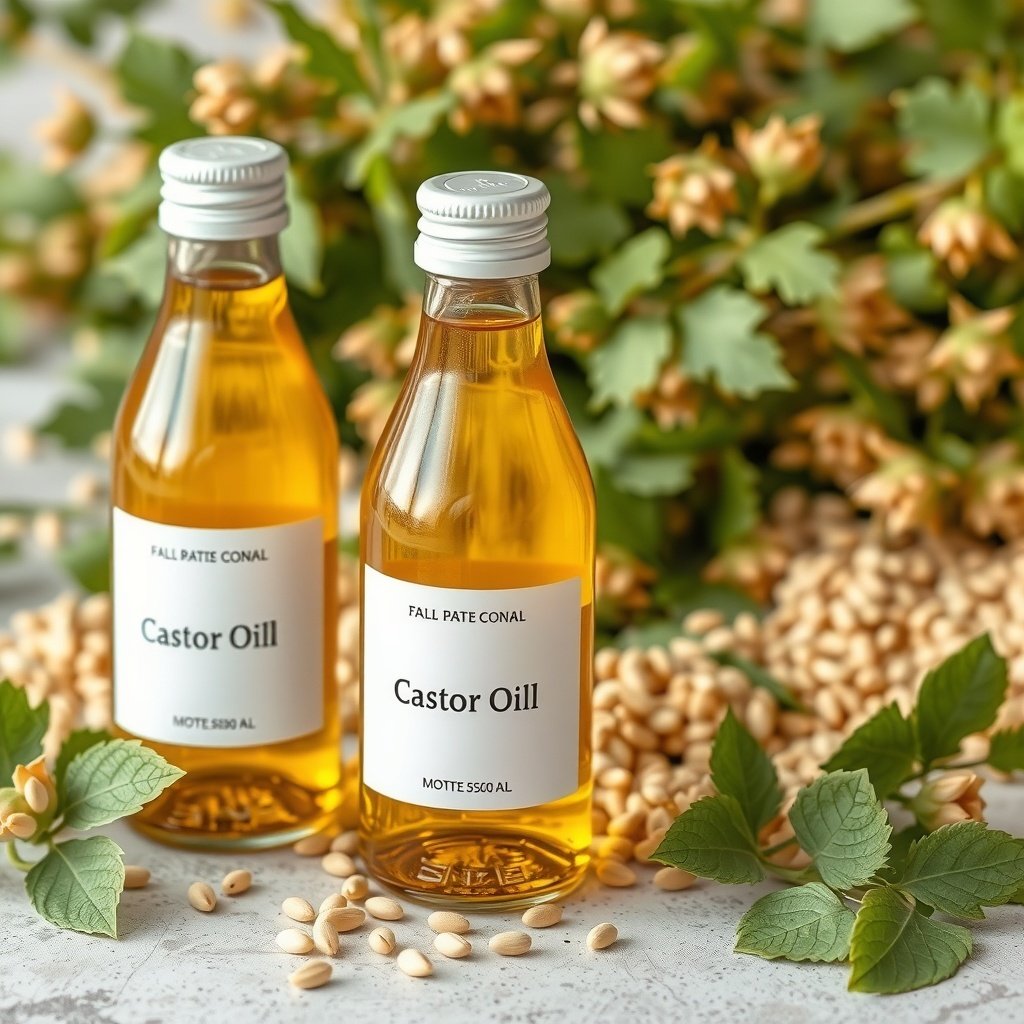
Castor oil is a natural remedy that has been used for centuries. It comes from the seeds of the castor bean plant. The image shows two bottles of castor oil, surrounded by seeds and fresh leaves. This visual highlights the oil’s natural origins and its connection to wellness.
One of the standout features of castor oil is its anti-inflammatory properties. This makes it a popular choice for those dealing with arthritis. When applied to sore joints, it can help reduce swelling and provide relief.
Castor oil is also rich in ricinoleic acid, which is known for its pain-relieving effects. This compound penetrates the skin easily, allowing it to work effectively at the source of discomfort. Many people find that a simple massage with castor oil can ease their arthritis symptoms.
Moreover, castor oil is a great moisturizer. Keeping the skin hydrated can be beneficial for those with arthritis, as dry skin can lead to discomfort. Using castor oil regularly can help maintain skin elasticity and overall health.
Incorporating Castor Oil into Massage Therapy
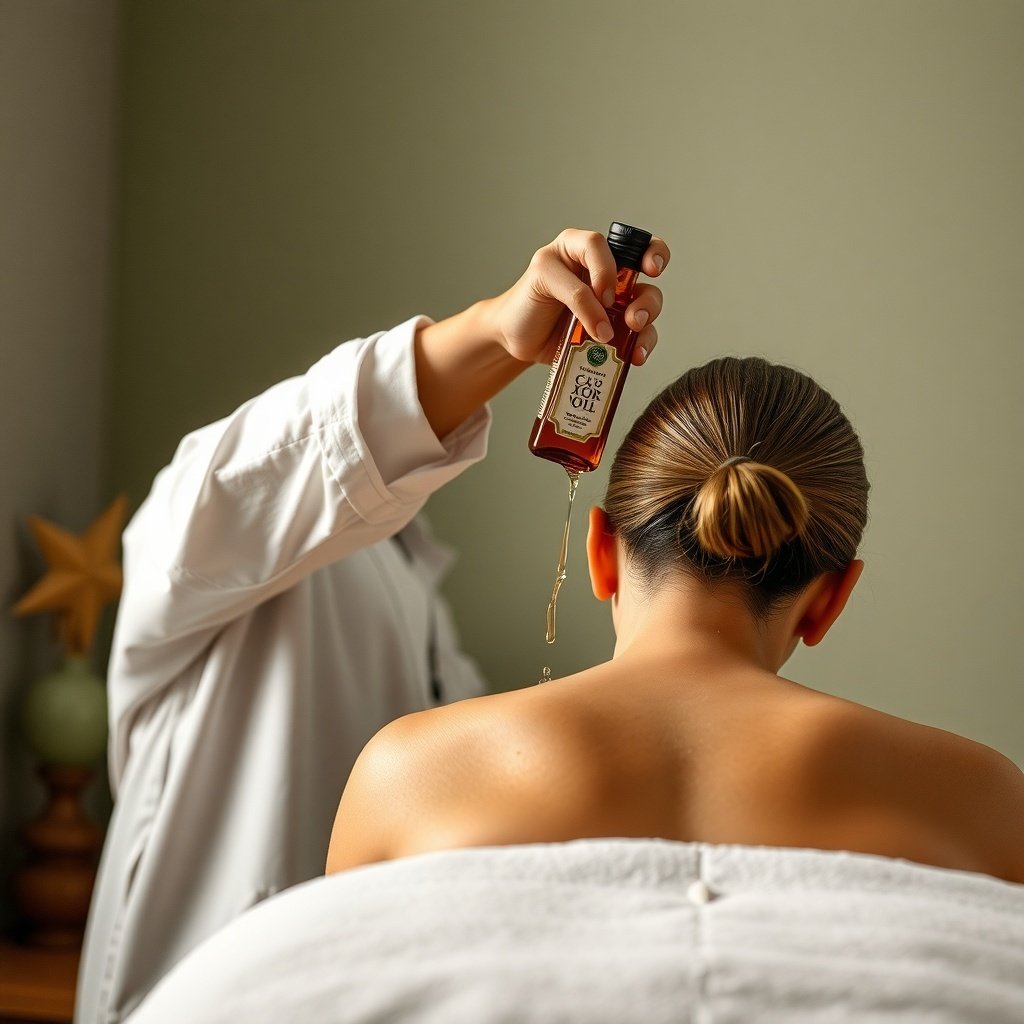
Using castor oil in massage therapy can be a soothing way to relieve arthritis pain. The image shows a person preparing to apply castor oil during a massage. This oil is known for its anti-inflammatory properties, making it a great choice for targeting sore joints.
To start, warm a small amount of castor oil in your hands. This helps it absorb better into the skin. Then, gently massage the oil into the affected areas. Use circular motions to promote blood flow and relaxation.
It’s important to focus on areas that feel stiff or painful. You can also combine castor oil with other essential oils for added benefits. For example, mixing it with lavender or eucalyptus can enhance the soothing effect.
After the massage, allow the oil to sit on the skin for a while. This gives it time to penetrate deeply and provide relief. Regular use can help manage arthritis symptoms and improve mobility.
Benefits of Castor Oil for Joint Pain Relief

Castor oil is gaining attention for its potential benefits in relieving joint pain, especially for those dealing with arthritis. The image shows a person sitting comfortably in a cozy living room, perhaps contemplating the soothing effects of castor oil on their joints. This setting highlights a relaxed atmosphere, perfect for self-care.
One of the main benefits of castor oil is its anti-inflammatory properties. When applied to sore joints, it can help reduce swelling and discomfort. Many people find that a gentle massage with castor oil not only eases pain but also promotes better blood circulation in the affected areas.
Another advantage is its ability to penetrate the skin easily. This means that the beneficial compounds in castor oil can reach deeper tissues, providing relief where it’s needed most. Plus, it’s easy to incorporate into your routine. Just warm a small amount and massage it into the painful area.
Using castor oil regularly can also support overall joint health. It contains ricinoleic acid, which may help in reducing stiffness and improving mobility. This is especially helpful for those who want to maintain an active lifestyle despite arthritis.
Expected Results and Timeframes

Using castor oil for arthritis can lead to noticeable improvements over time. Many people report reduced pain and increased mobility after regular application. The image shows a timeline that highlights key milestones in the understanding and use of castor oil for various purposes.
Typically, you might start to feel some relief within a few days of consistent use. However, for more significant results, it may take a few weeks. It’s important to be patient and give your body time to respond.
Incorporating castor oil into your routine can be simple. Just apply it to the affected areas and gently massage it in. Doing this daily can help speed up the process. Remember, everyone’s body reacts differently, so results can vary.
Consulting with Healthcare Professionals

When considering castor oil for arthritis treatment, talking to a healthcare professional is key. This image shows a patient discussing options with a doctor. It highlights the importance of communication in healthcare.
Before trying castor oil, it’s wise to share your symptoms and medical history with your doctor. They can provide insights on whether this natural remedy fits your treatment plan. They may also suggest the best way to use it safely.
Remember, while castor oil has potential benefits, it’s not a one-size-fits-all solution. Your doctor can help you weigh the pros and cons based on your specific needs. Always prioritize your health by seeking professional advice.


