Healthy casserole recipes are a wonderful way to prepare satisfying meals without spending hours in the kitchen. Whether you need a quick weeknight dinner, a family-friendly meal, or something nutritious to prepare ahead, casseroles make healthy eating easier and more convenient.
The best part? You do not have to sacrifice flavor to make a healthier casserole. By choosing lean proteins, whole grains, fresh vegetables, beans, and lighter sauces, you can create comforting meals that provide a balance of protein, fiber, vitamins, and minerals.
From creamy chicken and broccoli casserole to hearty lentil shepherd’s pie, there are plenty of ways to enjoy classic comfort food with more nutritious ingredients. These recipes also work well for meal preparation, busy schedules, and family dinners.
In this guide, you will discover 12 healthy casserole recipes featuring simple ingredients, practical cooking instructions, and easy substitutions. Whether you prefer chicken, turkey, vegetables, seafood, or plant-based meals, there is an option to suit different tastes and dietary preferences.
1. Healthy Chicken and Broccoli Quinoa Casserole
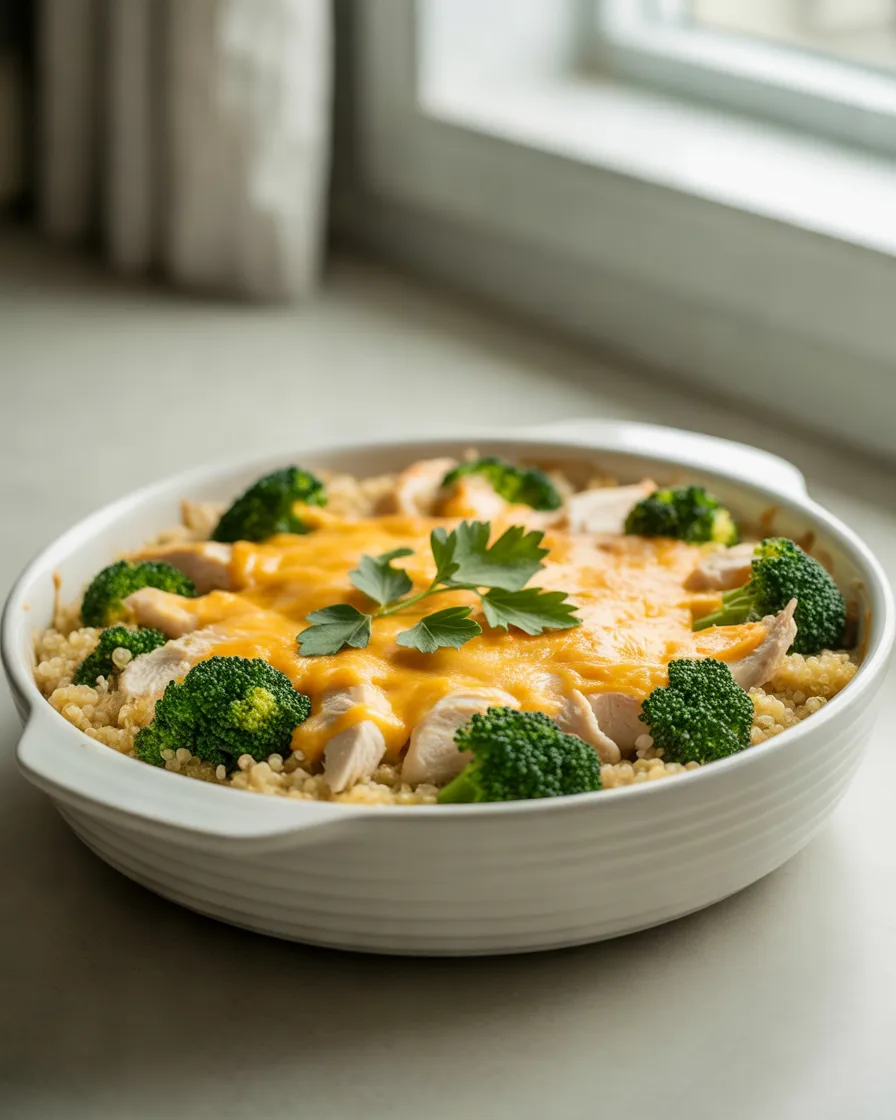
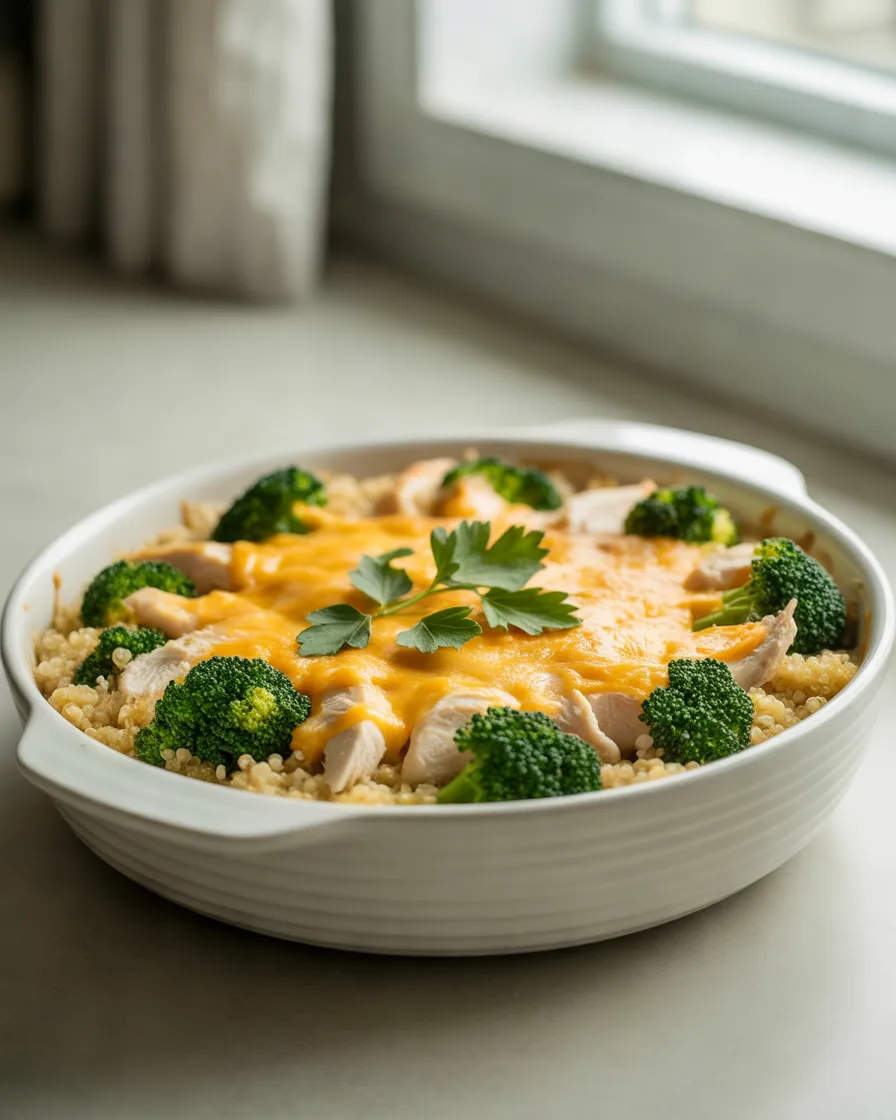
Chicken and broccoli quinoa casserole is a satisfying one-dish meal that combines lean protein, vegetables, and whole grains. It is a lighter alternative to traditional creamy chicken casseroles that often rely on heavy cream and large amounts of cheese.
Quinoa provides plant-based protein and fiber, while chicken breast contributes additional protein. Broccoli adds vitamin C, vitamin K, and other beneficial nutrients.
Ingredients:
- 2 cups cooked chicken breast, shredded
- 1 cup uncooked quinoa, rinsed
- 2 cups broccoli florets
- 2 cups low-sodium chicken broth
- 1/2 cup plain Greek yogurt
- 1/2 cup shredded reduced-fat cheddar cheese
- 1 small onion, chopped
- 2 garlic cloves, minced
- 1 teaspoon olive oil
- Black pepper and paprika to taste
Preparation: Preheat the oven to 375°F (190°C). Cook the quinoa according to package instructions. In a skillet, sauté the onion and garlic in olive oil. Combine the cooked quinoa, chicken, broccoli, Greek yogurt, seasonings, and half the cheese in a baking dish. Add a little broth if needed to keep the mixture moist. Sprinkle the remaining cheese on top and bake for approximately 20–25 minutes, until heated through and the broccoli is tender.
Benefits: This casserole combines protein, fiber, and vegetables in one convenient meal. Quinoa makes it more filling, while broccoli adds variety and important micronutrients.
Practical tips: Use leftover cooked chicken to save time. Cut broccoli into small, evenly sized pieces so it cooks consistently. Add mushrooms or spinach for extra vegetables.
How to use it: Serve for lunch or dinner with a fresh green salad. It also works well as a meal-prep option for several days.
Who it may suit: Families, busy professionals, and people looking for a balanced high-protein dinner.
Important considerations: Check that the chicken is fully cooked before combining it with the other ingredients. Those avoiding dairy can use an unsweetened dairy-free yogurt alternative and omit the cheese.
2. Healthy Turkey and Sweet Potato Casserole
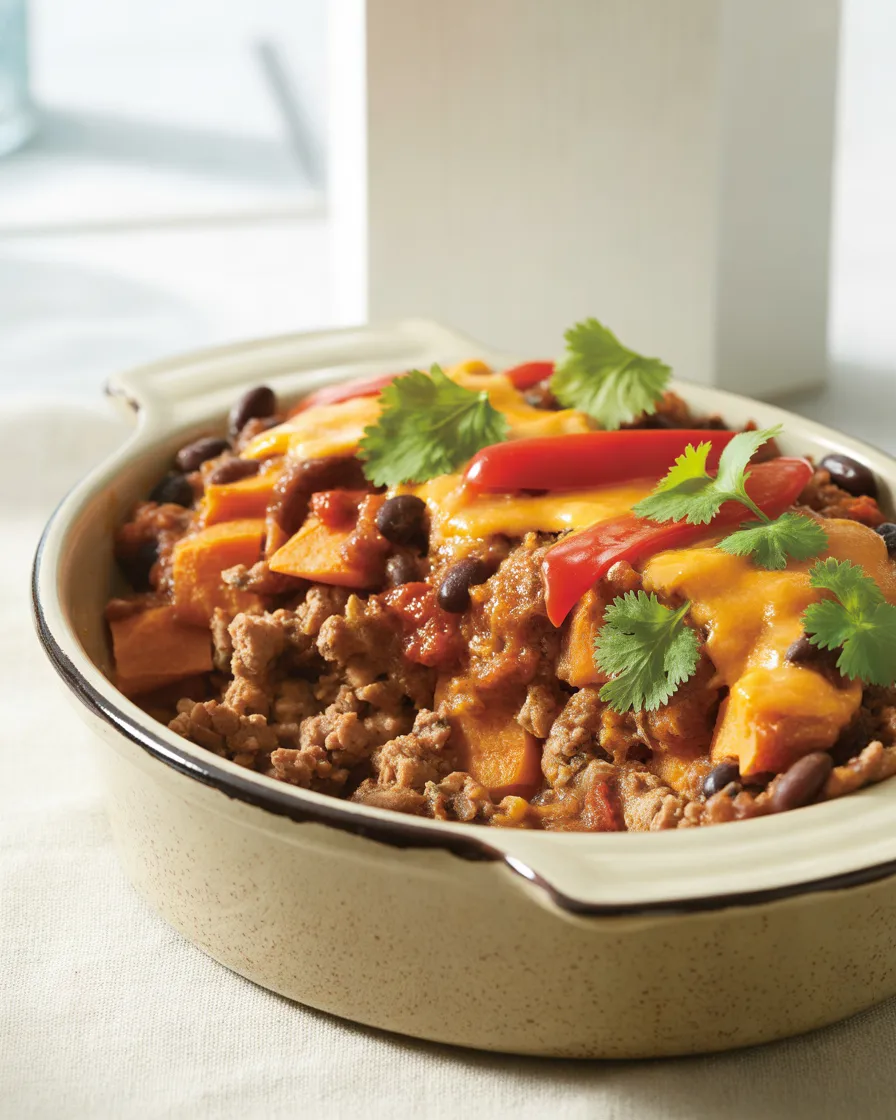
If you enjoy hearty comfort food, this turkey and sweet potato casserole is a delicious option. It combines lean ground turkey with naturally sweet potatoes, black beans, and colorful vegetables.
Sweet potatoes provide fiber and beta-carotene, which the body can convert into vitamin A. Turkey adds protein, while black beans contribute additional fiber and plant-based protein.
Ingredients:
- 1 pound lean ground turkey
- 2 medium sweet potatoes, peeled and diced
- 1 cup cooked black beans
- 1 red bell pepper, chopped
- 1 small onion, diced
- 1 cup low-sodium tomato sauce
- 1 teaspoon olive oil
- 1 teaspoon paprika
- 1/2 teaspoon cumin
- Black pepper to taste
- 1/3 cup shredded cheddar cheese (optional)
Preparation: Preheat the oven to 375°F (190°C). Brown the ground turkey in a skillet with olive oil, onion, and bell pepper. Stir in the tomato sauce, black beans, and seasonings. Meanwhile, lightly steam or microwave the sweet potato cubes until slightly tender. Combine everything in a casserole dish, cover with foil, and bake for 25–30 minutes or until the potatoes are fully tender and the turkey reaches a safe internal temperature of 165°F (74°C). Add optional cheese during the final few minutes.
Benefits: This meal offers a combination of protein, fiber, and complex carbohydrates. Sweet potatoes and black beans make it particularly satisfying.
Practical tips: Cut sweet potatoes into similar-sized cubes to ensure even cooking. Add spinach or zucchini for more vegetables. For extra flavor, use smoked paprika.
How to use it: Enjoy it as a complete dinner or divide it into individual containers for weekday lunches.
Who it may suit: People looking for a filling, protein-rich meal and families who enjoy mild Mexican-inspired flavors.
Important considerations: Choose low-sodium tomato sauce if you are monitoring sodium intake. Adjust the spices to suit your household’s preferences.
3. Healthy Vegetarian Lentil Shepherd’s Pie Casserole
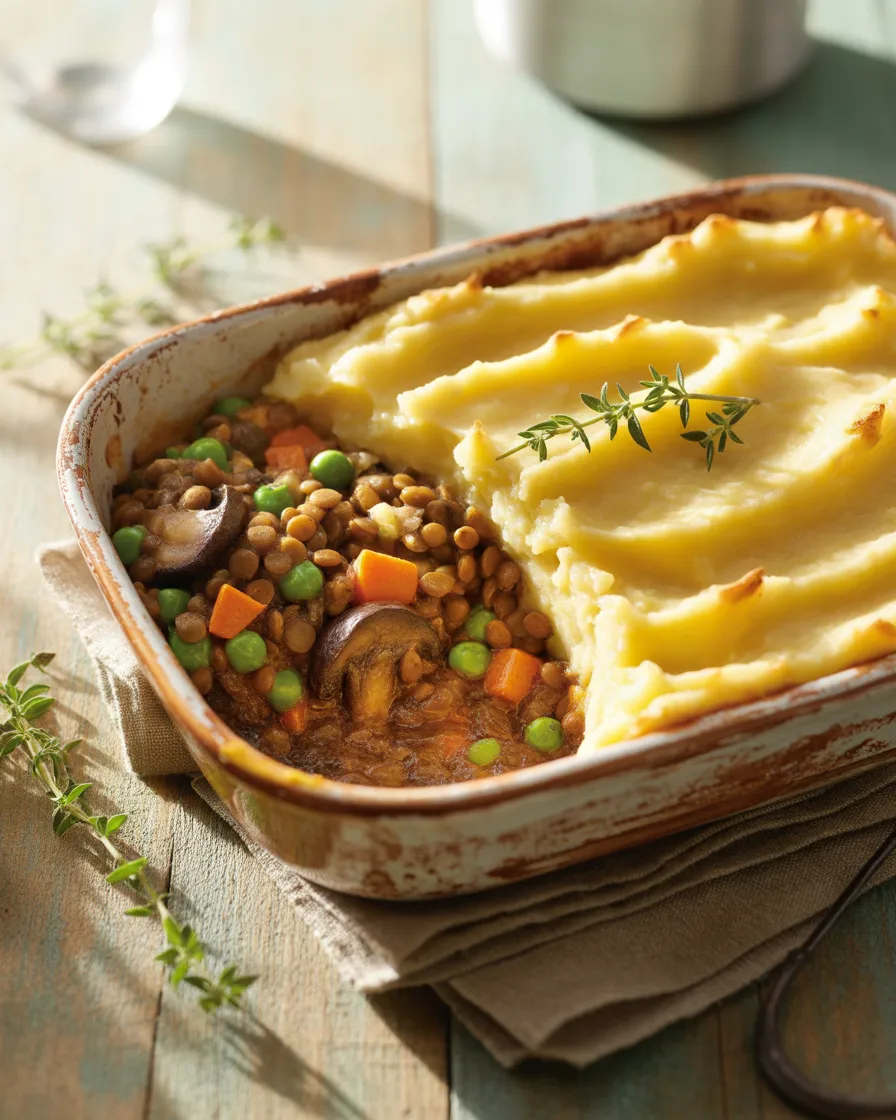
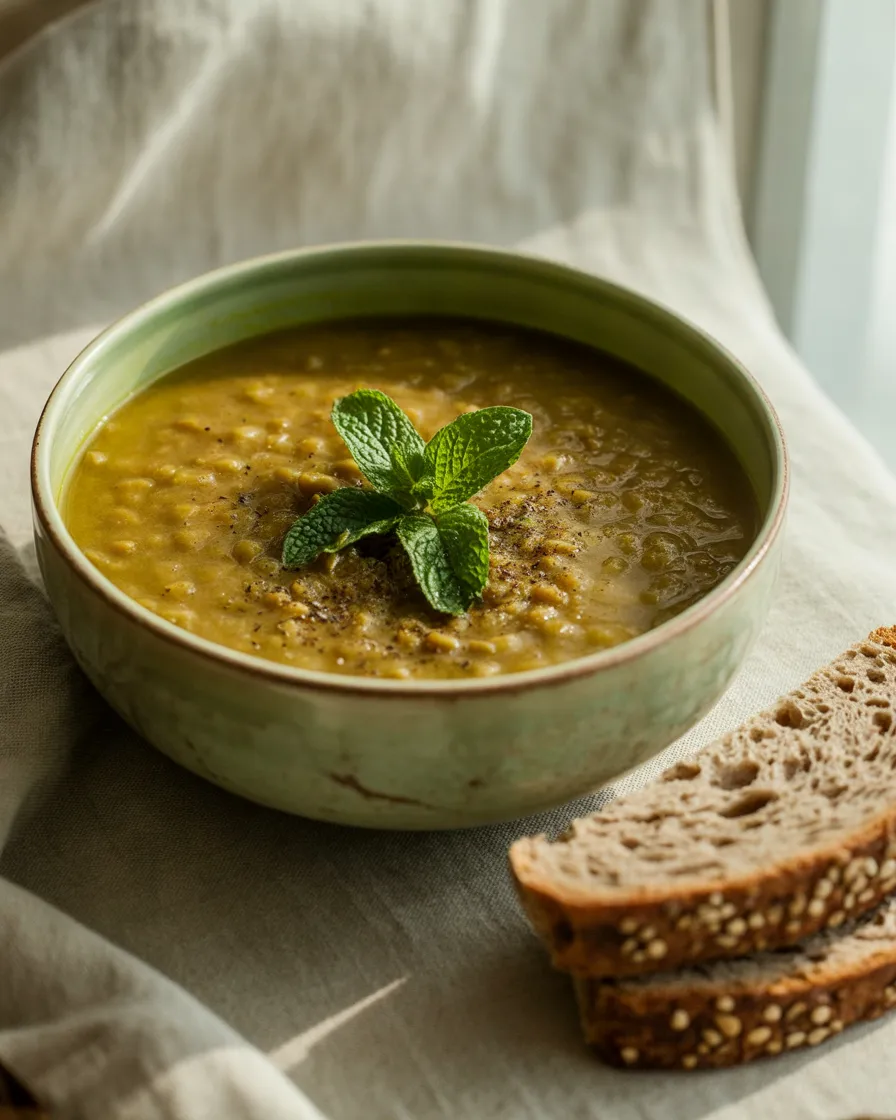
Traditional shepherd’s pie is usually made with minced meat and mashed potatoes. This vegetarian version uses lentils, mushrooms, carrots, and peas to create a hearty filling topped with creamy mashed potatoes.
Lentils are an excellent source of plant-based protein, fiber, folate, and iron. Combined with vegetables, they create a satisfying meal that does not require meat.
Ingredients:
- 1 1/2 cups cooked brown or green lentils
- 3 medium potatoes, peeled and chopped
- 1 cup mushrooms, sliced
- 1 carrot, diced
- 1/2 cup green peas
- 1 small onion, chopped
- 2 garlic cloves, minced
- 1 cup low-sodium vegetable broth
- 1 tablespoon tomato paste
- 2 tablespoons milk or unsweetened plant milk
- 1 teaspoon olive oil
- Black pepper, thyme, and rosemary to taste
Preparation: Preheat the oven to 375°F (190°C). Boil the potatoes until tender, then mash with milk and black pepper. In another pan, sauté onion, garlic, mushrooms, and carrots. Add lentils, peas, vegetable broth, tomato paste, and herbs. Simmer until the filling thickens. Transfer the lentil mixture to a baking dish, spread the mashed potatoes over it, and bake for 20–25 minutes until the top is lightly golden.
Benefits: Lentils provide plant protein and dietary fiber, while mushrooms and vegetables add texture and variety. The recipe is filling without depending on meat.
Practical tips: Use canned lentils to shorten preparation time, but rinse them first. For a smoother topping, mash the potatoes while warm. Add cauliflower to the mashed potato layer if you enjoy a different texture.
How to use it: Serve as a comforting family dinner with steamed green beans or a simple side salad.
Who it may suit: Vegetarians, people exploring meat-free meals, and anyone looking for budget-friendly healthy casserole recipes.
Important considerations: Lentils contain fermentable carbohydrates that may cause digestive discomfort in some people. Start with a suitable portion if you are sensitive to legumes.
4. Healthy Salmon and Spinach Brown Rice Casserole
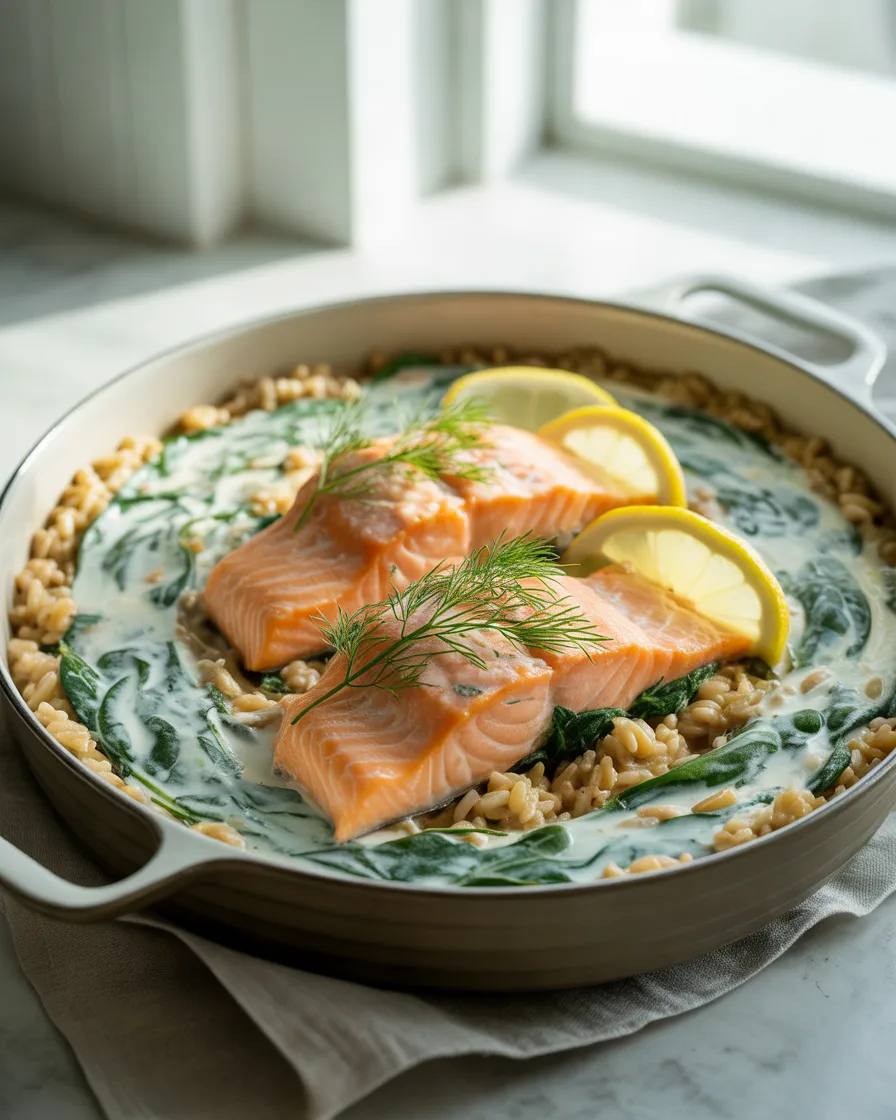
This salmon and spinach casserole is a delicious way to enjoy seafood in a convenient baked meal. It combines salmon, brown rice, spinach, and a light creamy sauce for a balanced dinner.
Salmon provides high-quality protein and omega-3 fatty acids. Spinach contributes folate and vitamin K, while brown rice provides whole-grain carbohydrates and fiber.
Ingredients:
- 2 cups cooked brown rice
- 12 ounces boneless salmon fillets
- 2 cups fresh spinach
- 1/2 cup plain Greek yogurt
- 1/4 cup low-fat milk
- 1 small onion, finely chopped
- 1 garlic clove, minced
- 1 tablespoon lemon juice
- 1/4 teaspoon black pepper
- 1/2 teaspoon dried dill
Preparation: Preheat the oven to 375°F (190°C). Place cooked brown rice in a baking dish. Mix Greek yogurt, milk, lemon juice, garlic, dill, and black pepper. Fold in the spinach and pour the mixture over the rice. Place the salmon on top, cut into manageable portions if needed. Cover loosely with foil and bake until the salmon reaches an internal temperature of 145°F (63°C) or the appropriate safe temperature recommended by your local food-safety authority. Avoid overcooking.
Benefits: Salmon provides omega-3 fats and protein, while brown rice and spinach contribute fiber and essential nutrients.
Practical tips: Use boneless salmon and check carefully for remaining pin bones. Add lemon zest for extra freshness. If the salmon is already cooked, fold it into the rice mixture near the end of baking to avoid drying it out.
How to use it: Serve with roasted asparagus, green beans, or a cucumber salad.
Who it may suit: Seafood lovers and people who want to include fish in their weekly meal rotation.
Important considerations: Choose salmon from a reliable source and store seafood safely. People with fish allergies should choose a different protein.
5. Healthy Zucchini and Turkey Lasagna Casserole
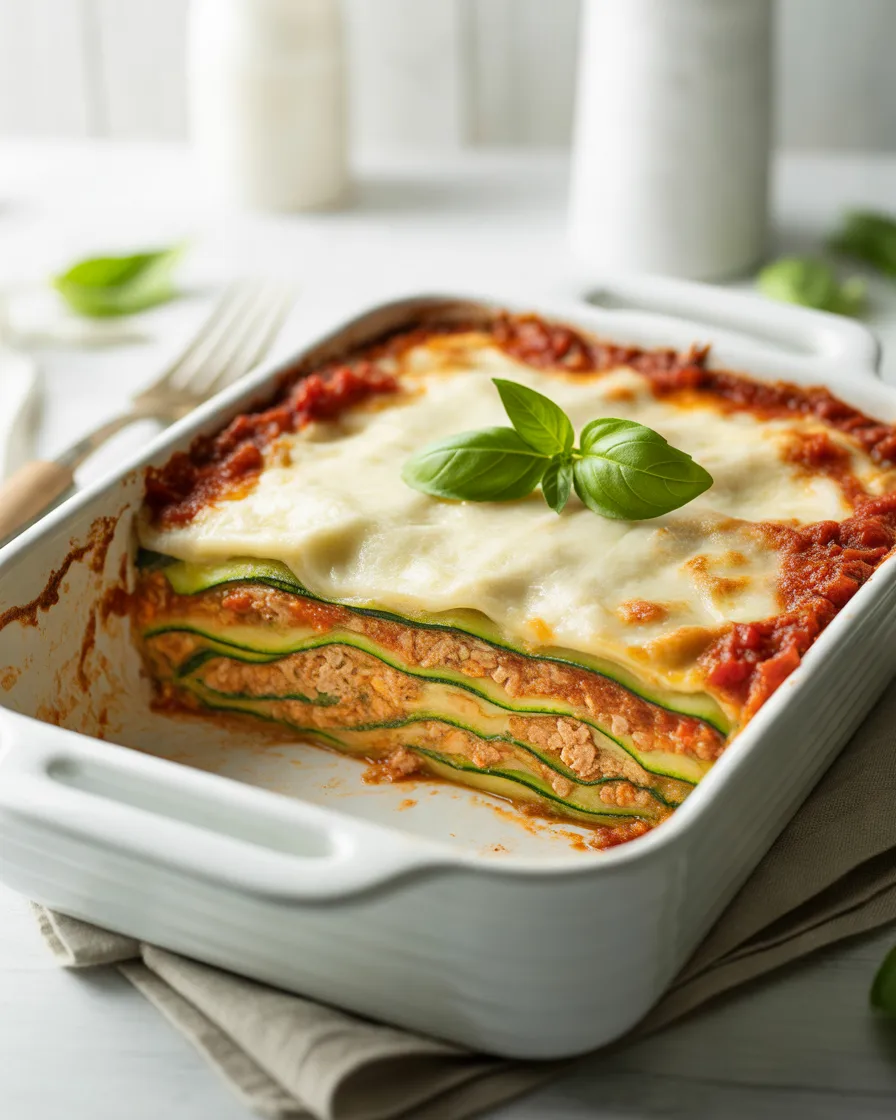
Traditional lasagna is delicious, but it can become quite heavy depending on the amount of cheese, pasta, and meat used. This healthier variation combines thin zucchini slices with lean ground turkey and tomato sauce.
Zucchini provides water and fiber, while turkey contributes protein. Using moderate amounts of ricotta and mozzarella gives the casserole a familiar lasagna flavor without relying on excessive cheese.
Ingredients:
- 2 large zucchini, sliced lengthwise
- 1 pound lean ground turkey
- 2 cups low-sodium marinara sauce
- 1 cup part-skim ricotta cheese
- 1/2 cup shredded mozzarella
- 1 small onion, chopped
- 2 garlic cloves, minced
- 1 teaspoon Italian seasoning
- Black pepper to taste
Preparation: Preheat the oven to 375°F (190°C). Slice the zucchini into thin strips and pat them dry. Brown the turkey with onion, garlic, and Italian seasoning. Add marinara sauce and simmer briefly. In a baking dish, layer the sauce mixture, zucchini strips, and ricotta. Repeat the layers and finish with mozzarella. Bake uncovered for approximately 30–35 minutes until bubbling and tender. Allow it to rest before slicing.
Benefits: This dish includes lean protein and vegetables while offering a lower-carbohydrate alternative to traditional pasta-based lasagna.
Practical tips: Lightly grill or roast zucchini slices before assembling the casserole to reduce excess moisture. Choose a tomato sauce without unnecessary added sugar.
How to use it: Serve with a leafy green salad or roasted vegetables for dinner.
Who it may suit: People who enjoy Italian-inspired food, vegetable-forward dinners, or lower-carbohydrate meal options.
Important considerations: Zucchini releases water during baking, so avoid adding too much sauce. Those who prefer traditional pasta can replace some zucchini layers with whole-wheat lasagna sheets.
6. Healthy Breakfast Egg and Vegetable Casserole
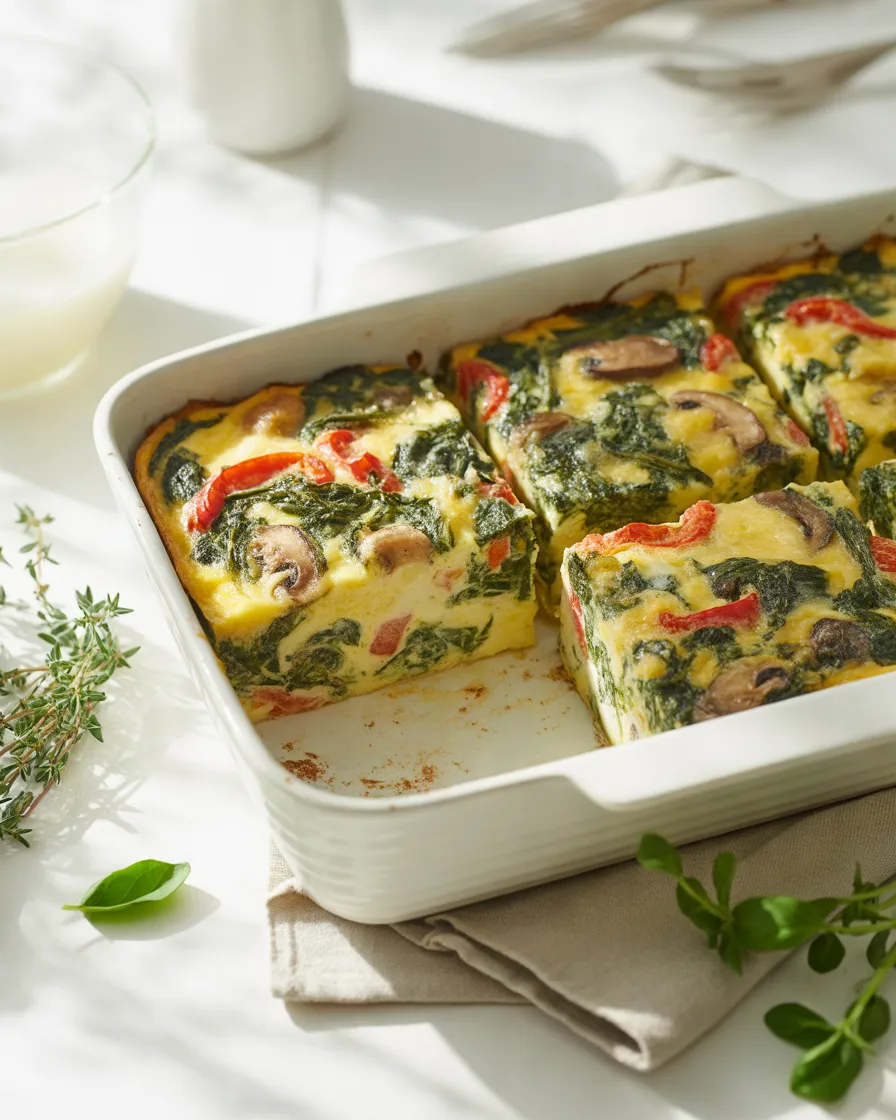
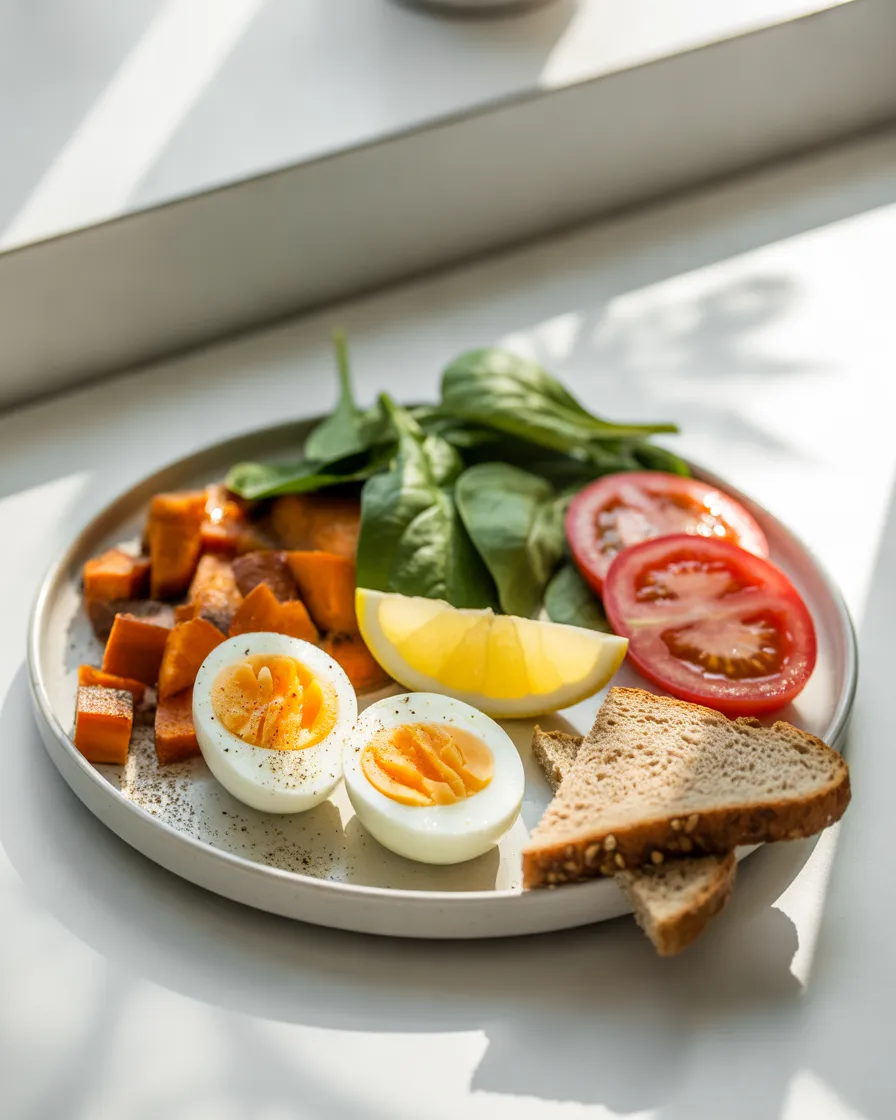
A breakfast casserole can make busy mornings much easier. This egg and vegetable version combines eggs, spinach, bell peppers, mushrooms, and a small amount of cheese for a protein-rich morning meal.
Unlike many traditional breakfast bakes, this recipe does not need sausage, bacon, or large quantities of cream.
Ingredients:
- 6 large eggs
- 4 egg whites
- 1 cup fresh spinach
- 1 red bell pepper, diced
- 1 cup mushrooms, sliced
- 1/2 cup low-fat milk
- 1/3 cup shredded reduced-fat cheese
- 1 small onion, chopped
- 1 teaspoon olive oil
- Black pepper and paprika to taste
Preparation: Preheat the oven to 350°F (175°C). Sauté the mushrooms, onion, spinach, and bell pepper in olive oil until softened. Whisk the eggs, egg whites, milk, and seasonings together. Spread the vegetables evenly in a lightly greased baking dish and pour the egg mixture over them. Sprinkle cheese on top and bake for 25–35 minutes, or until the center is fully set.
Benefits: Eggs provide protein and several essential nutrients. Vegetables add fiber and help make breakfast more varied and satisfying.
Practical tips: Prepare the vegetables the night before to save morning time. Add chopped tomatoes, broccoli, or cooked lean turkey for variety.
How to use it: Cut into portions and serve with whole-grain toast or fresh fruit. Refrigerate leftovers promptly for convenient breakfasts.
Who it may suit: Busy families, meal-prep enthusiasts, and people who prefer savory breakfasts.
Important considerations: Keep the egg mixture refrigerated until baking. Make sure the center is fully cooked rather than runny. People with egg allergies can explore a chickpea-flour-based alternative.
7. Healthy Tuna and Whole Wheat Pasta Casserole
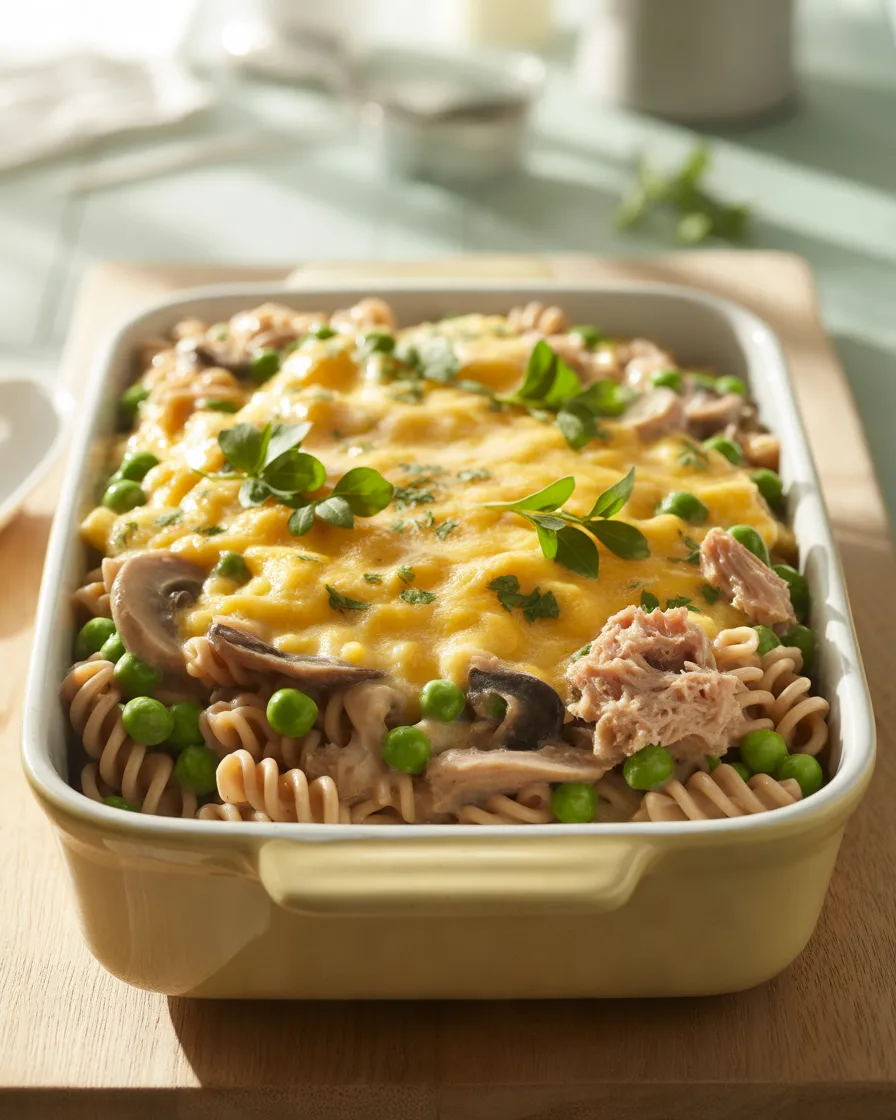
Tuna pasta casserole is a familiar comfort-food favorite, but traditional versions often contain heavy cream and large quantities of cheese. This lighter recipe uses whole-wheat pasta, canned tuna, peas, Greek yogurt, and a modest amount of cheese.
Tuna provides protein, while whole-wheat pasta contributes fiber. Peas add color, texture, and additional nutrients.
Ingredients:
- 8 ounces whole-wheat pasta
- 2 cans tuna in water, drained
- 1 cup green peas
- 1 cup sliced mushrooms
- 3/4 cup plain Greek yogurt
- 1/2 cup low-fat milk
- 1/3 cup shredded cheddar cheese
- 1 small onion, chopped
- 1 teaspoon olive oil
- Black pepper and dried parsley to taste
Preparation: Preheat the oven to 375°F (190°C). Cook the pasta until just al dente and drain. Sauté the onion and mushrooms in olive oil. Combine Greek yogurt, milk, tuna, peas, cooked pasta, and vegetables in a bowl. Transfer to a casserole dish, sprinkle with cheese, and bake for 15–20 minutes until heated through and lightly golden.
Benefits: This casserole combines protein and whole grains in a convenient family meal. Peas and mushrooms add vegetables without making the recipe complicated.
Practical tips: Avoid overcooking the pasta before baking. Add lemon juice for a fresh flavor. Use tuna packed in water for a lighter option.
How to use it: Serve for lunch or dinner with a side salad or steamed broccoli.
Who it may suit: Families, students, and people looking for an affordable protein-rich dinner.
Important considerations: Tuna can contain mercury. Follow local and national fish-consumption guidance, particularly for children, pregnant people, and those who may become pregnant. Choose lower-mercury seafood options when appropriate.
8. Healthy Chickpea and Cauliflower Curry Casserole
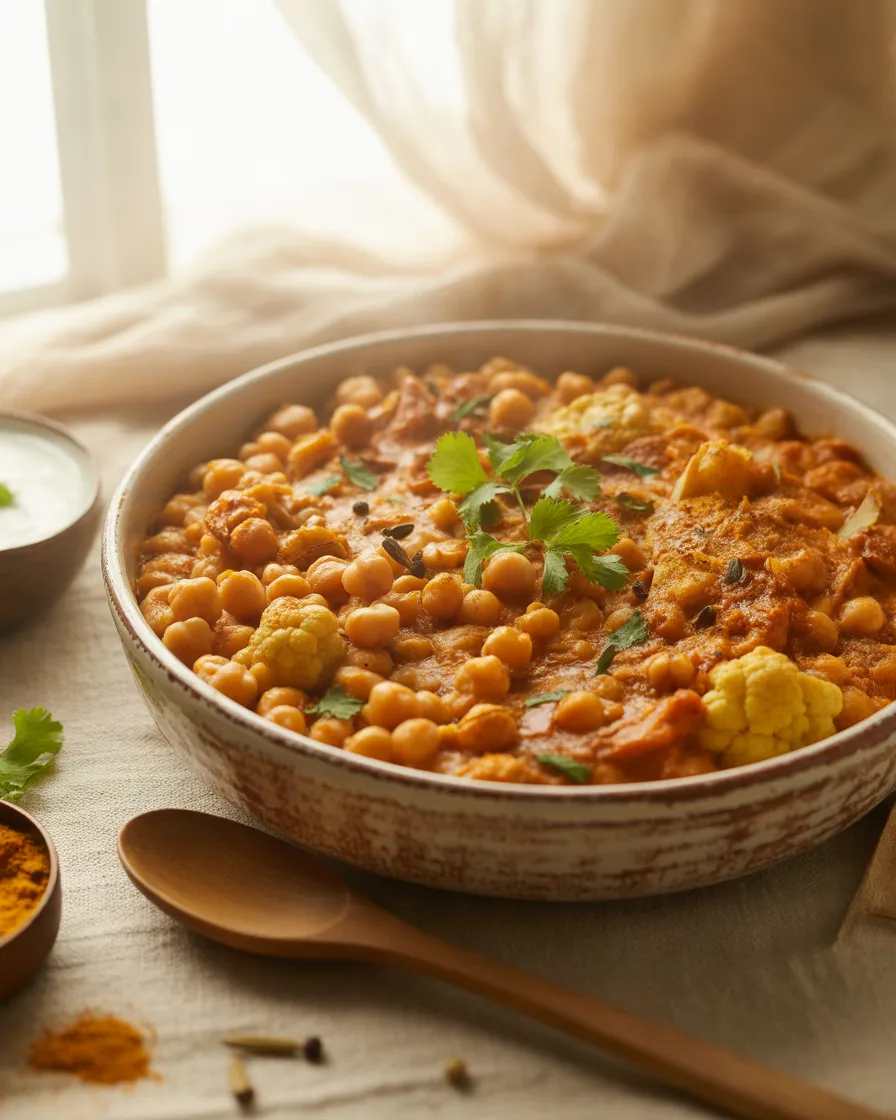
For a flavorful plant-based dinner, try a chickpea and cauliflower curry casserole. It brings together protein-rich chickpeas, tender cauliflower, tomatoes, and aromatic spices in a comforting baked dish.
This recipe is inspired by Indian-style curry flavors and uses everyday pantry ingredients.
Ingredients:
- 2 cups cooked chickpeas, rinsed and drained
- 3 cups cauliflower florets
- 1 cup chopped tomatoes
- 1/2 cup light coconut milk
- 1 small onion, chopped
- 2 garlic cloves, minced
- 1 teaspoon grated ginger
- 1 teaspoon curry powder
- 1/2 teaspoon turmeric
- 1 teaspoon olive oil
- Fresh coriander for garnish
Preparation: Preheat the oven to 375°F (190°C). Sauté onion, garlic, and ginger in olive oil. Add curry powder, turmeric, tomatoes, and coconut milk. Stir in chickpeas and cauliflower. Transfer the mixture to a baking dish, cover with foil, and bake for 25–30 minutes until the cauliflower is tender. Garnish with fresh coriander.
Benefits: Chickpeas contribute plant protein and fiber, while cauliflower provides vitamin C and other nutrients. The combination creates a satisfying meat-free meal.
Practical tips: Cut cauliflower into evenly sized florets. For extra vegetables, add spinach or diced carrots. Use a small amount of light coconut milk to maintain a creamy texture.
How to use it: Serve with brown rice, quinoa, or whole-wheat flatbread. It also works well as a make-ahead lunch.
Who it may suit: Vegetarians, vegans who use suitable plant-based ingredients, and people interested in fiber-rich dinners.
Important considerations: Chickpeas may cause bloating in people sensitive to legumes. Adjust the curry seasoning to suit individual spice preferences.
9. Healthy Stuffed Bell Pepper Casserole
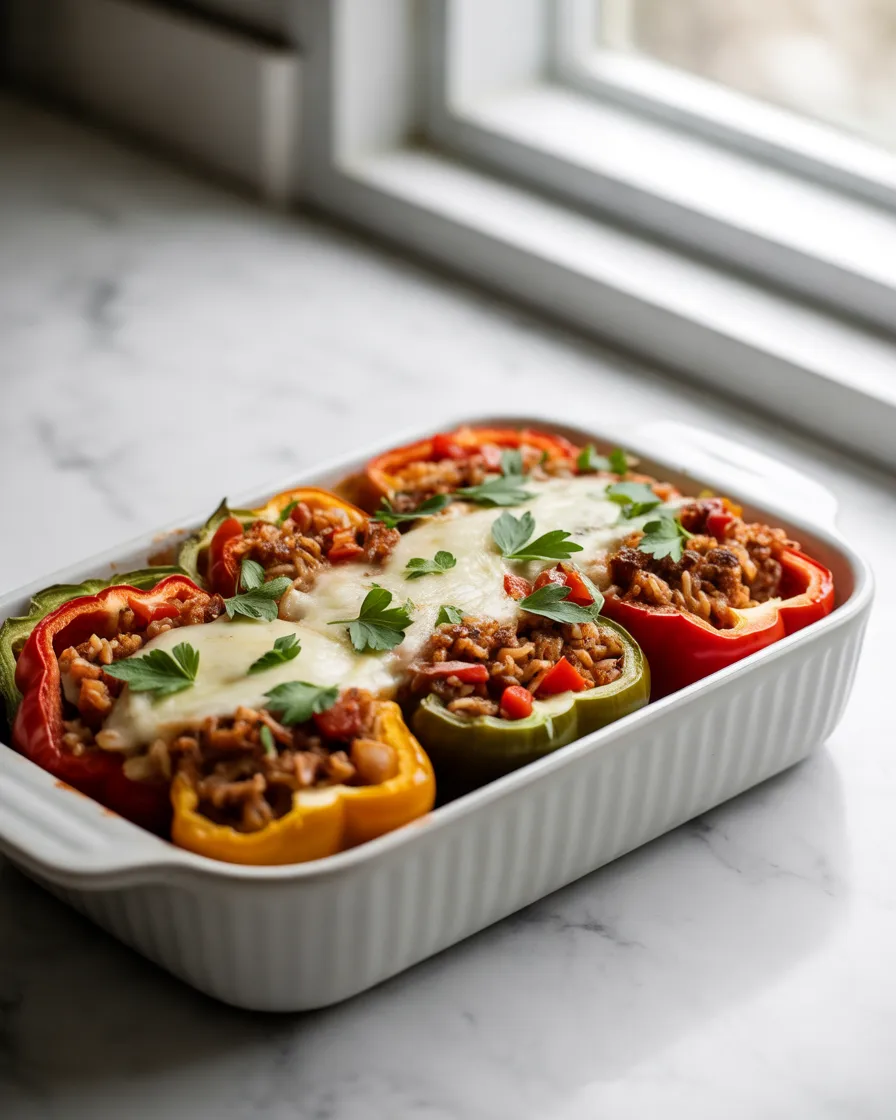
Stuffed bell peppers are delicious, but preparing each pepper individually can take time. This casserole offers the same familiar flavors in a simpler format.
It combines lean ground turkey, brown rice, chopped bell peppers, tomatoes, and herbs to create a balanced one-dish meal.
Ingredients:
- 1 pound lean ground turkey
- 2 cups cooked brown rice
- 3 bell peppers, chopped
- 1 can diced tomatoes, no-salt-added
- 1 small onion, chopped
- 2 garlic cloves, minced
- 1/2 cup shredded mozzarella
- 1 teaspoon Italian seasoning
- 1 teaspoon olive oil
- Black pepper to taste
Preparation: Preheat the oven to 375°F (190°C). Brown the turkey with onion and garlic. Add chopped bell peppers, diced tomatoes, Italian seasoning, and black pepper. Stir in the cooked brown rice. Transfer the mixture to a baking dish, cover with foil, and bake for 20–25 minutes until the peppers are tender. Add mozzarella during the final few minutes.
Benefits: This casserole provides protein, vegetables, and whole-grain carbohydrates. Bell peppers contribute vitamin C, while brown rice adds fiber.
Practical tips: Use a mixture of red, yellow, and green peppers for a colorful dish. Add black beans for extra fiber and protein. Prepare the rice in advance to reduce cooking time.
How to use it: Serve as a complete dinner or portion into containers for weekday meals.
Who it may suit: Families, meal-prep beginners, and people who enjoy traditional stuffed pepper flavors.
Important considerations: Cook ground turkey thoroughly to an internal temperature of 165°F (74°C). Choose reduced-sodium canned tomatoes if you are watching sodium intake.
10. Healthy Chicken Enchilada Casserole
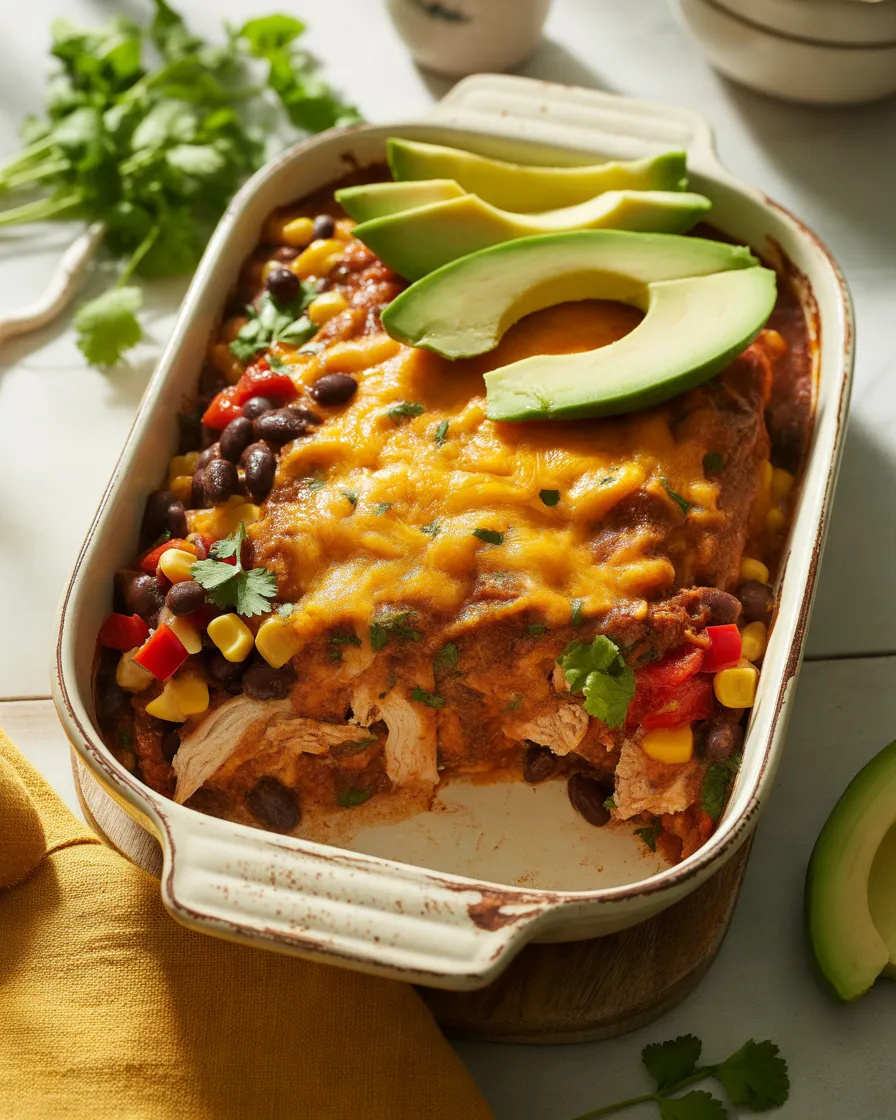
If you enjoy Mexican-inspired food, this chicken enchilada casserole offers plenty of flavor with simple, practical ingredients.
Instead of rolling individual enchiladas, you layer whole-grain tortillas, shredded chicken, black beans, vegetables, and enchilada sauce in one baking dish.
Ingredients:
- 2 cups cooked shredded chicken breast
- 4 small whole-wheat tortillas
- 1 cup black beans, rinsed
- 1 red bell pepper, chopped
- 1 cup enchilada sauce
- 1/2 cup corn kernels
- 1/2 cup reduced-fat shredded cheddar
- 1 small onion, chopped
- 1 teaspoon cumin
- Fresh coriander for garnish
Preparation: Preheat the oven to 375°F (190°C). Spread a thin layer of enchilada sauce across the bottom of a baking dish. Layer tortilla pieces, shredded chicken, black beans, corn, bell pepper, and sauce. Repeat the layers and finish with a modest amount of cheese. Bake uncovered for 20–25 minutes until bubbling and heated through.
Benefits: Chicken and black beans provide protein, while whole-wheat tortillas contribute fiber. Bell peppers and corn add color and variety.
Practical tips: Use leftover roasted chicken to make preparation easier. Add zucchini or spinach for additional vegetables. Choose an enchilada sauce with less sodium when possible.
How to use it: Serve with a fresh tomato salad, lettuce, or sliced avocado.
Who it may suit: Families, people who enjoy Mexican-inspired meals, and anyone looking for an easy high-protein casserole.
Important considerations: Check the sauce and tortilla labels for sodium content. Adjust the chili level to suit children or anyone who prefers milder food.
11. Healthy Mushroom and Barley Vegetable Casserole
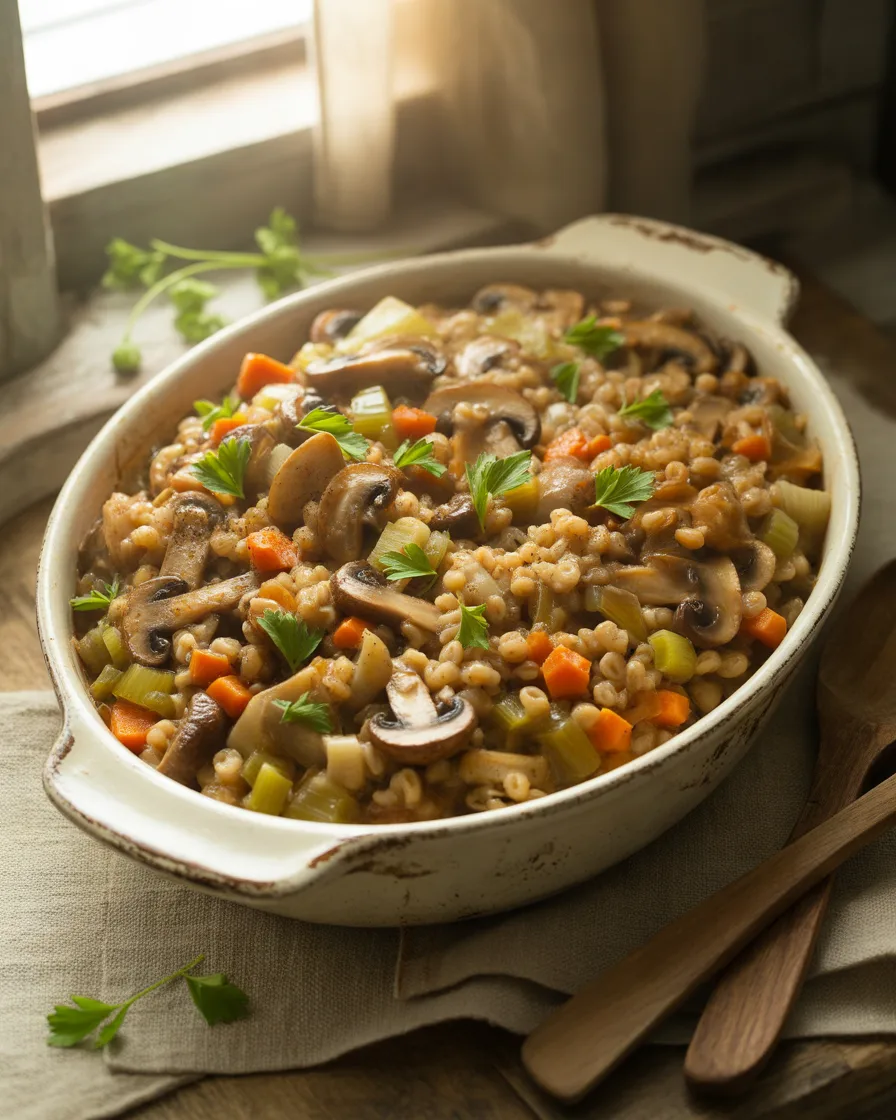
Mushroom and barley casserole is an excellent choice for people who enjoy earthy flavors and hearty plant-based meals. It combines chewy barley, mushrooms, carrots, celery, and vegetable broth to create a comforting dish.
Barley contains soluble fiber, including beta-glucan, while mushrooms contribute a savory flavor and several micronutrients.
Ingredients:
- 1 cup pearl barley
- 2 cups sliced mushrooms
- 1 carrot, diced
- 2 celery stalks, chopped
- 1 small onion, chopped
- 3 cups low-sodium vegetable broth
- 2 garlic cloves, minced
- 1 teaspoon olive oil
- 1/2 teaspoon dried thyme
- Black pepper to taste
- Fresh parsley for garnish
Preparation: Preheat the oven to 375°F (190°C). Rinse the barley. Sauté onion, garlic, mushrooms, carrots, and celery in olive oil. Transfer everything to a casserole dish and add barley, vegetable broth, thyme, and black pepper. Cover tightly with foil and bake for approximately 60–70 minutes, checking that the barley is tender and adding broth if necessary. Allow it to rest before serving.
Benefits: Barley offers fiber, while the mushrooms and vegetables add nutrients and a satisfying texture. It is a useful alternative to meat-based casseroles.
Practical tips: Use pearled barley for a shorter cooking time than hulled barley. Stir halfway through cooking if the liquid is unevenly distributed. Add white beans for extra protein.
How to use it: Serve as a main vegetarian meal or alongside roasted chicken or fish.
Who it may suit: People who enjoy whole grains, vegetarian cooking, and comforting make-ahead meals.
Important considerations: Barley contains gluten, so it is unsuitable for people with celiac disease or those who need to avoid gluten. Use certified gluten-free grains such as quinoa instead.
12. Healthy Butternut Squash and Kale Quinoa Casserole
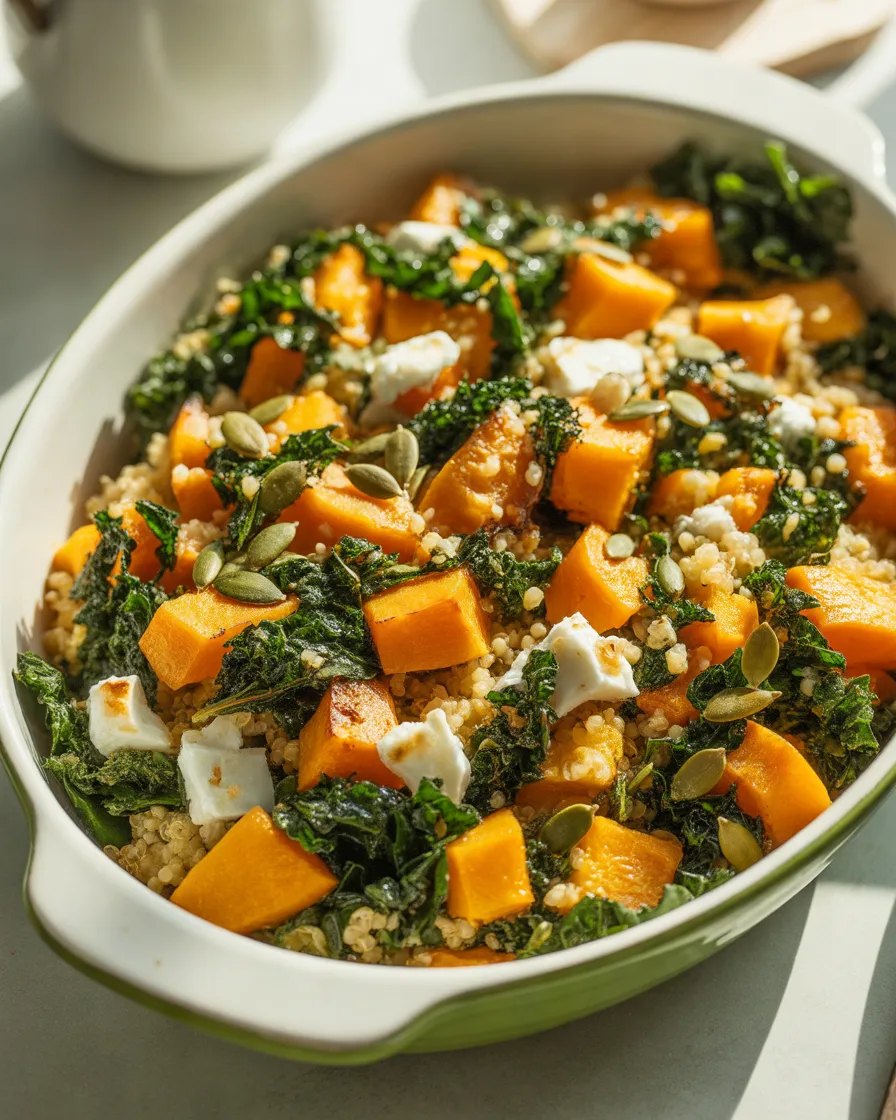
This butternut squash and kale quinoa casserole is a colorful option for anyone who wants a vegetable-forward dinner. It combines naturally sweet roasted squash with leafy greens, quinoa, and a light cheese topping.
Butternut squash contains beta-carotene, while kale provides vitamins K, C, and A. Quinoa adds protein and fiber, making this casserole more substantial than a simple vegetable side dish.
Ingredients:
- 2 cups peeled and diced butternut squash
- 1 cup uncooked quinoa, rinsed
- 2 cups chopped kale
- 2 cups low-sodium vegetable broth
- 1/3 cup crumbled feta cheese
- 1/2 small red onion, chopped
- 1 teaspoon olive oil
- 1/2 teaspoon dried thyme
- Black pepper to taste
- 2 tablespoons pumpkin seeds (optional)
Preparation: Preheat the oven to 375°F (190°C). Toss the butternut squash with olive oil, thyme, and black pepper. Roast for approximately 20 minutes until slightly tender. Cook quinoa in vegetable broth according to package directions. Combine the quinoa, roasted squash, kale, and red onion in a casserole dish. Sprinkle feta and pumpkin seeds over the top. Bake for another 10–15 minutes until the kale softens and the ingredients are heated through.
Benefits: This dish provides plant-based protein, dietary fiber, and a variety of vitamins and minerals. The different textures make it satisfying and flavorful.
Practical tips: Roast the squash ahead of time to make dinner preparation faster. Massage the kale lightly before adding it to the casserole if you prefer a softer texture. Add chickpeas for additional protein.
How to use it: Serve as a vegetarian main dish or alongside grilled chicken or baked fish.
Who it may suit: Vegetarians, vegetable lovers, and people looking for colorful seasonal meal ideas.
Important considerations: Feta adds sodium, so use a moderate amount or choose a lower-sodium alternative. Pumpkin seeds can be omitted if there are seed allergies.
Expert Tips for Making Healthy Casserole Recipes More Nutritious
A casserole can be a balanced meal, but its nutritional value depends on the ingredients, portion sizes, and cooking methods. Small changes can make familiar recipes more nutritious without removing the comforting flavors people enjoy.
1. Include a source of protein
Choose lean chicken, turkey, fish, eggs, beans, lentils, or tofu. Protein helps make meals satisfying and supports normal body functions, including muscle maintenance and repair.
2. Add more colorful vegetables
Try broccoli, spinach, carrots, zucchini, bell peppers, cauliflower, mushrooms, or kale. Different vegetables provide different nutrients, so using a variety of colors is a practical way to diversify your meals.
3. Choose whole grains when possible
Replace refined grains with brown rice, quinoa, barley, or whole-wheat pasta. These options generally provide more fiber and can help make meals more filling.
4. Make creamy sauces lighter
Instead of relying entirely on heavy cream, consider plain Greek yogurt, low-fat milk, blended cauliflower, or a light homemade sauce. Add yogurt carefully and avoid boiling it aggressively, as it may separate.
5. Use cheese thoughtfully
Cheese can add flavor, calcium, and protein, but it can also contribute considerable saturated fat and sodium. Use a smaller amount of a flavorful cheese rather than covering the entire casserole with a thick layer.
6. Watch the sodium content
Packaged sauces, canned soups, cheese, and seasoning mixes can contain significant sodium. Choose reduced-sodium versions, rinse canned beans, and season with garlic, lemon, herbs, and spices.
7. Prepare ingredients in advance
Cook grains, chop vegetables, and prepare lean proteins ahead of time. This makes assembling a healthy casserole much faster on busy evenings.
8. Pay attention to moisture
Vegetables such as zucchini, mushrooms, and spinach release water during baking. Pre-cooking or draining these ingredients can prevent watery casseroles. Similarly, avoid adding too much liquid when using cooked grains.
9. Use appropriate baking temperatures
Most casseroles bake successfully between 350°F and 400°F (175°C–200°C), depending on the ingredients. Follow the recipe and use a food thermometer when cooking meat, poultry, eggs, or seafood.
10. Store leftovers safely
Refrigerate perishable casserole leftovers within two hours of cooking, using shallow containers to help them cool quickly. Most cooked leftovers should be used within three to four days when refrigerated at 40°F (4°C) or below. Reheat leftovers to 165°F (74°C).
How to Make Healthy Casseroles Suitable for Meal Prep
Casseroles are particularly useful for meal preparation because many recipes can be divided into individual portions and stored for later meals.
Here are a few practical ways to make them part of your weekly routine:
- Choose recipes that store well: Chicken and quinoa, lentil shepherd’s pie, stuffed pepper casserole, and turkey enchilada casserole are useful meal-prep options.
- Prepare ingredients ahead: Cook grains, wash vegetables, and prepare sauces in advance.
- Use individual containers: Divide the casserole into portions after cooking and cooling safely.
- Label storage dates: Write the preparation date on each container so you can keep track of freshness.
- Freeze suitable portions: Many casseroles can be frozen in airtight, freezer-safe containers. For best quality, use them within two to three months.
- Reheat carefully: Thaw frozen portions in the refrigerator when possible and reheat until steaming hot throughout, reaching 165°F (74°C).
If you are preparing a casserole in advance, check whether the recipe is suitable for assembling and refrigerating before baking. Some dishes are better baked immediately, while others can be assembled ahead without affecting their texture.
Frequently Asked Questions About Healthy Casserole Recipes
1. What are the healthiest ingredients to use in a casserole?
Some excellent choices include lean chicken, turkey, salmon, eggs, beans, lentils, broccoli, spinach, sweet potatoes, quinoa, brown rice, and whole-wheat pasta. Combining protein, vegetables, and whole grains can help create a balanced meal.
2. Can healthy casseroles help with weight management?
Healthy casseroles can fit into a balanced eating plan when portions and ingredients are considered. Recipes featuring vegetables, lean protein, and fiber-rich grains may help create satisfying meals. However, no individual casserole guarantees weight loss. Overall eating habits, activity levels, and individual nutritional needs matter.
3. Are casseroles good for meal prep?
Yes. Many casseroles are suitable for preparing in advance because they can be divided into portions and refrigerated or frozen. Chicken and quinoa casserole, lentil shepherd’s pie, and breakfast egg casserole are particularly convenient options.
4. Can I make healthy casseroles without cheese?
Absolutely. Cheese is not essential for a delicious casserole. You can use herbs, spices, tomato sauce, lemon juice, garlic, or a small amount of nutritional yeast for flavor. Some recipes also work well with unsweetened dairy-free alternatives.
5. What can I use instead of cream of mushroom soup?
Try a homemade sauce made with low-fat milk, mushrooms, garlic, a small amount of olive oil, and flour or cornstarch for thickening. Blended cauliflower or plain Greek yogurt can also provide a creamy texture in suitable recipes.
6. How long do healthy casseroles last in the refrigerator?
Most cooked casserole leftovers can be refrigerated for three to four days at 40°F (4°C) or below. Store them in covered, shallow containers and refrigerate within two hours of cooking.
7. Can I freeze homemade healthy casseroles?
Yes. Many casseroles freeze well, especially those made with chicken, turkey, beans, lentils, rice, and vegetables. Use airtight freezer-safe containers and label them with the preparation date. Some creamy sauces and high-water-content vegetables may change texture after thawing.
8. What are the best healthy casseroles for families?
Chicken and broccoli quinoa casserole, turkey and sweet potato casserole, stuffed bell pepper casserole, and chicken enchilada casserole are family-friendly options. You can adjust seasonings, vegetables, and toppings to accommodate different preferences.
9. How can I make a casserole higher in protein?
Include lean chicken, turkey, fish, eggs, Greek yogurt, beans, lentils, or tofu. You can also combine animal and plant protein sources, such as chicken with black beans or quinoa with chickpeas.
10. Can I make healthy casseroles on a budget?
Yes. Choose affordable staples such as lentils, beans, brown rice, seasonal vegetables, eggs, and frozen broccoli. Buying ingredients in larger quantities and using leftovers can also reduce food costs.
11. Are vegetarian casseroles healthy?
Vegetarian casseroles can be nutritious when they include a variety of vegetables, protein-rich ingredients such as lentils or chickpeas, and suitable whole grains. Pay attention to protein, iron, vitamin B12, and other nutrients when following a fully plant-based eating pattern.
12. What temperature should a healthy casserole be baked at?
Many casserole recipes bake at 350°F–400°F (175°C–200°C). The correct temperature depends on the ingredients and recipe. Always check that meat, poultry, eggs, and seafood reach appropriate safe internal temperatures rather than relying on appearance alone.
Conclusion: Enjoy Delicious and Nutritious Healthy Casserole Recipes
Healthy casserole recipes make it easier to enjoy comforting meals while incorporating nutritious ingredients into your everyday routine. Whether you prefer chicken and broccoli quinoa casserole, vegetarian lentil shepherd’s pie, salmon and spinach casserole, or a flavorful chickpea curry bake, there are plenty of delicious options to explore.
The key is to build meals around lean protein, colorful vegetables, whole grains, and flavorful ingredients while keeping added sodium, saturated fat, and heavy sauces in mind.
Start with one or two recipes from this list, prepare extra portions when convenient, and experiment with seasonal vegetables and your favorite herbs and spices. With a little planning, healthy casseroles can become an enjoyable and practical part of your weekly meal routine.