
10 Key Differences Between Sit-Ups and Crunches
- Fitness
AHealthGuide Staff
- 0
- 19 minutes read

When it comes to building core strength, sit-ups and crunches are two popular exercises that often come into play. While both target the abdominal muscles, they each have their unique benefits and techniques. Let’s break down the differences to see which might be the better fit for your workout routine.
Table of Contents
Crunches: Focusing on the Upper Abs

Crunches are a popular exercise for targeting the upper abs. They are simple yet effective, making them a go-to for many fitness enthusiasts. In the image, we see a person performing a crunch, showcasing the proper form. The focus is on engaging the upper abdominal muscles while keeping the lower back supported.
The text in the image emphasizes the importance of crunches, stating, ‘Crunt is EALL Your Toit to wedies.’ This playful take highlights how crucial crunches can be in achieving a toned midsection. It’s a reminder that these exercises can be fun while still being beneficial.
When doing crunches, it’s essential to maintain a controlled movement. This helps in maximizing the workout and preventing strain. Remember to breathe out as you lift your shoulders off the ground, engaging those upper abs effectively. With consistent practice, crunches can help you build strength and definition in your core.
Crunches: A Safer Alternative for Beginners

Crunches are often seen as a beginner-friendly exercise. They focus on the abdominal muscles without putting too much strain on the back. In the image, we see someone performing a crunch on a mat, which highlights the proper form needed for this exercise. The person is using a small tool to assist with their movement, making it easier to engage the core effectively.
This exercise is great for those just starting their fitness journey. It helps build strength in the abs while minimizing the risk of injury. Unlike sit-ups, which can sometimes lead to discomfort in the lower back, crunches allow for a more controlled motion. This makes them a safer option for beginners.
Incorporating crunches into your routine can help you develop a solid foundation. As you get stronger, you can gradually increase the intensity or try different variations. The key is to focus on form and listen to your body. With time, you’ll find that crunches can be a fun and effective way to work on your core strength.
Impact on Lower Back Health
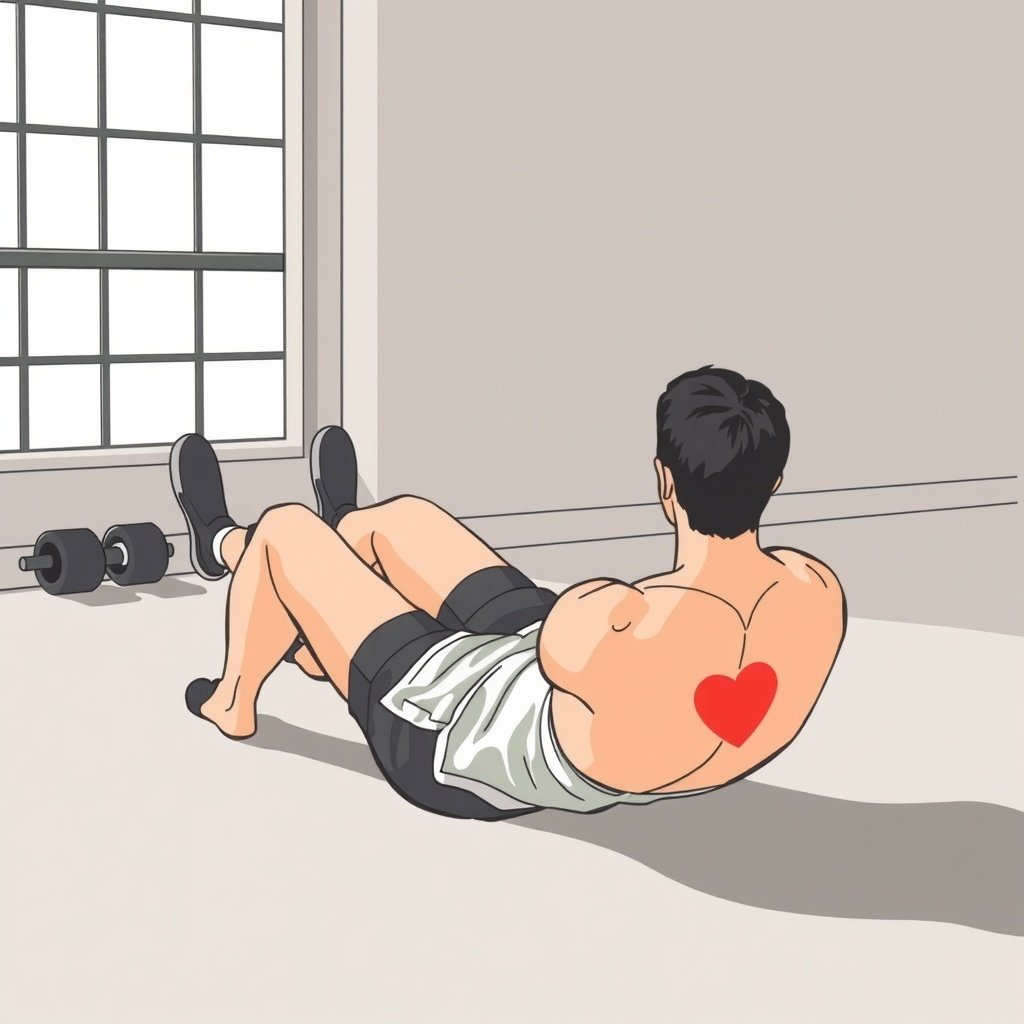
When it comes to sit-ups and crunches, lower back health is a big topic. The image shows a person doing a crunch, which is a popular exercise for strengthening the core.
Crunches focus on the upper part of the abdominal muscles. This can be easier on the lower back compared to sit-ups, which engage more muscles and can put extra strain on the spine. If you have lower back issues, crunches might be the safer choice.
On the flip side, sit-ups can lead to discomfort for some people. They require more movement and can sometimes cause the lower back to arch, which isn’t great for spinal health. It’s important to listen to your body and choose the exercise that feels right for you.
Incorporating both exercises into your routine can help balance strength and flexibility. Just remember to maintain proper form to protect your back. If you feel pain, it’s a sign to stop and reassess your technique.
Crunch Variations for Diverse Ab Workouts
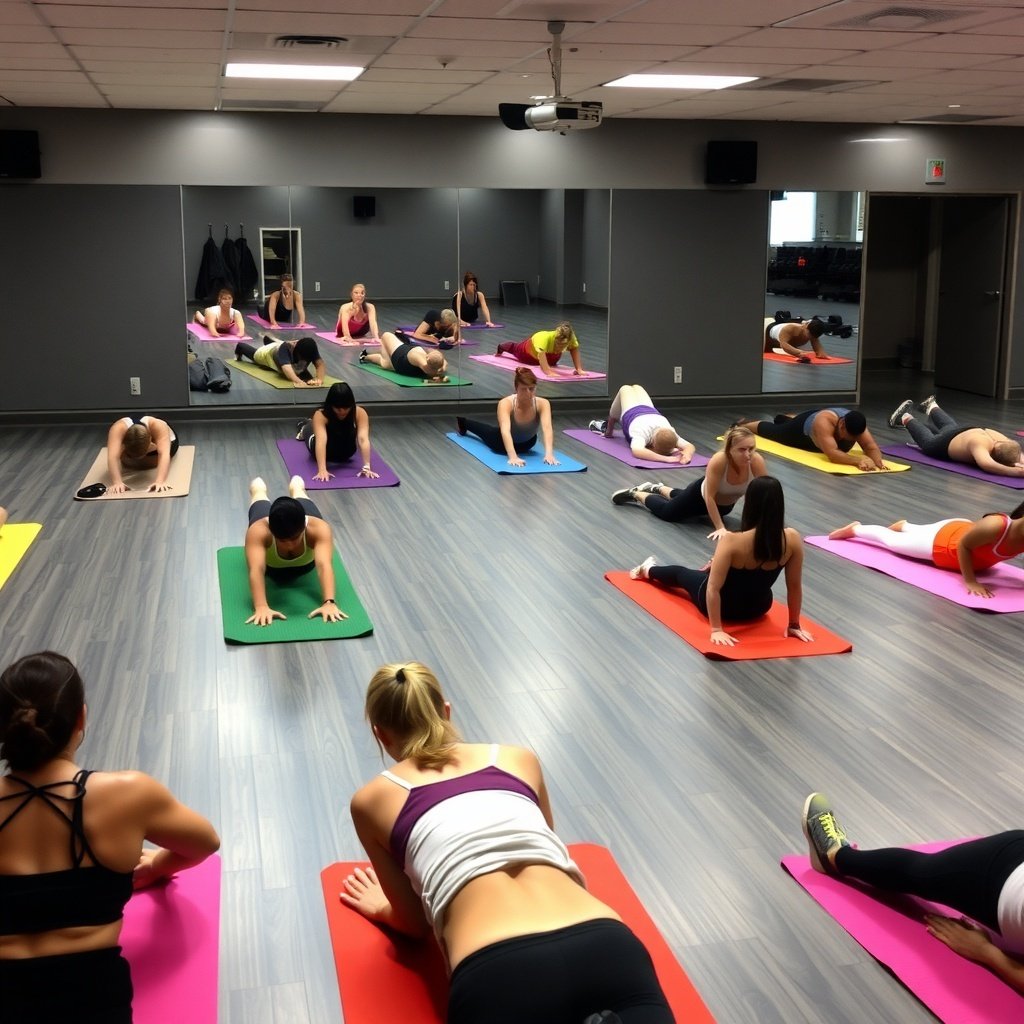
Crunches are a popular choice for targeting the abdominal muscles, but there are many ways to mix them up. In the image, you can see a group of people engaged in a fitness class, likely focusing on core exercises. Each person is on their own mat, showcasing various forms of crunches and other ab workouts.
These variations can keep your routine fresh and effective. For example, you might try bicycle crunches, where you alternate bringing your knees to your chest while twisting your torso. This engages not just the abs but also the obliques.
Another option is the reverse crunch, which targets the lower abs more directly. Lying on your back, you lift your legs toward the ceiling and curl your hips off the floor. This is a great way to add variety to your workout.
Incorporating different crunch variations can help prevent boredom and keep your muscles challenged. Whether you’re in a class setting like the one in the image or working out at home, these exercises can enhance your core strength.
Muscle Engagement in Sit Ups

In the image, we see a person performing a sit-up in a gym setting. This exercise is a classic move for targeting the core. The individual is focused, with their arms bent and hands behind their head, which is a common position for sit-ups.
When it comes to muscle engagement, sit-ups primarily work the rectus abdominis, the muscle that gives you that six-pack look. They also engage the hip flexors and, to some extent, the obliques. This makes sit-ups a great choice for building overall core strength.
Unlike crunches, which focus more on the upper part of the abs, sit-ups require more effort from the entire core. This means you’ll be working multiple muscle groups, making it a more comprehensive exercise for your midsection.
Incorporating sit-ups into your routine can help improve your posture and stability. Plus, they can be easily modified to increase or decrease difficulty. So, whether you’re a beginner or more advanced, there’s a way to make sit-ups work for you!
Variations of Sit Ups for Advanced Training
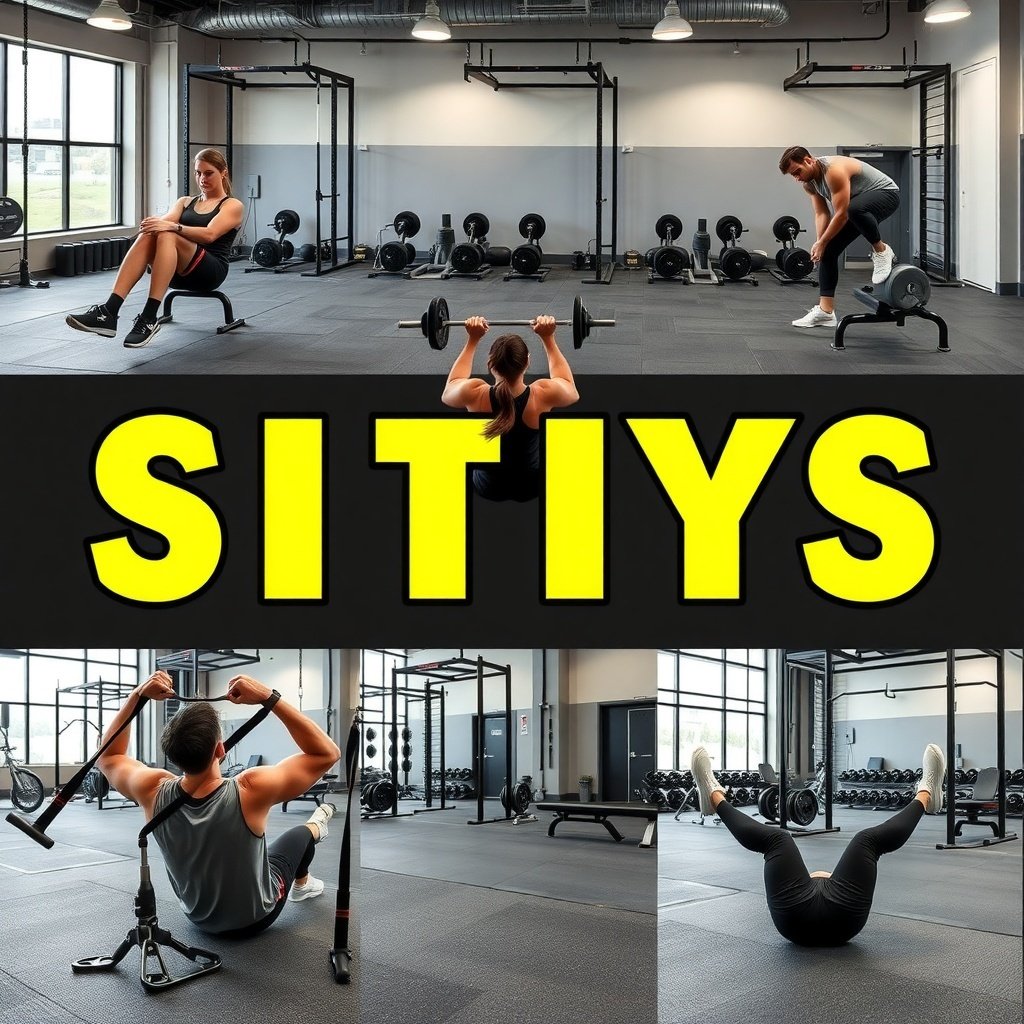
When it comes to advanced training, sit ups can be taken to the next level with various modifications. The image shows a few different exercises that build on the traditional sit up, making them more challenging and effective.
In the top section, we see a person doing a weighted sit up. This variation adds resistance, targeting the core more intensely. It’s a great way to increase strength and endurance.
The middle section features an exercise that combines a sit up with a pull. This dynamic movement engages not just the abs but also the upper body, providing a full workout.
Lastly, the bottom section shows a leg raise combined with a sit up. This variation focuses on the lower abs, making it a well-rounded addition to any core routine. Each of these variations can help you push your limits and achieve better results.
Benefits of Sit Ups for Core Strength

In the image, we see a person performing a sit-up in a gym setting. This exercise is a classic move for building core strength. Sit-ups engage multiple muscle groups, focusing primarily on the abdominal muscles. The person’s posture shows the correct form, with their knees bent and hands positioned behind their head.
One of the main benefits of sit-ups is that they help strengthen the entire core. A strong core supports better posture and stability, which is essential for everyday activities. This exercise also enhances your ability to perform other workouts effectively.
Another advantage is that sit-ups can improve your athletic performance. Whether you’re running, cycling, or playing sports, a strong core helps with balance and power. Plus, they can be easily modified to suit different fitness levels, making them accessible for everyone.
Incorporating sit-ups into your routine can also boost your confidence. As you notice improvements in strength and endurance, you may feel more motivated to tackle other fitness goals. Overall, sit-ups are a simple yet effective way to enhance your core strength.
Comparing Caloric Burn: Sit Ups vs Crunches

When it comes to burning calories, sit ups and crunches have their own unique benefits. The image shows two exercises side by side, highlighting their caloric burn in a fun way. On the left, we see a person doing crunches, labeled as ‘CALORINS’ with a price tag of $0.99. On the right, a person is performing sit ups, labeled ‘CRUNINS’ with a price tag of $5.90. This playful comparison makes it clear that while both exercises target the core, they do so in different ways.
Crunched up on the left, crunches mainly focus on the upper abdominal muscles. They tend to burn fewer calories compared to sit ups, which engage more muscle groups. The sit up on the right not only works the abs but also involves the hip flexors and lower back, leading to a higher caloric burn. This is reflected in the playful pricing, suggesting that sit ups might give you more bang for your buck.
In a workout routine, mixing both exercises can be beneficial. Crunches are great for isolating the abs, while sit ups provide a more comprehensive workout. So, whether you’re looking for a quick burn or a more intense session, both have their place in your fitness journey.
Injury Risks: Sit Ups vs Crunches
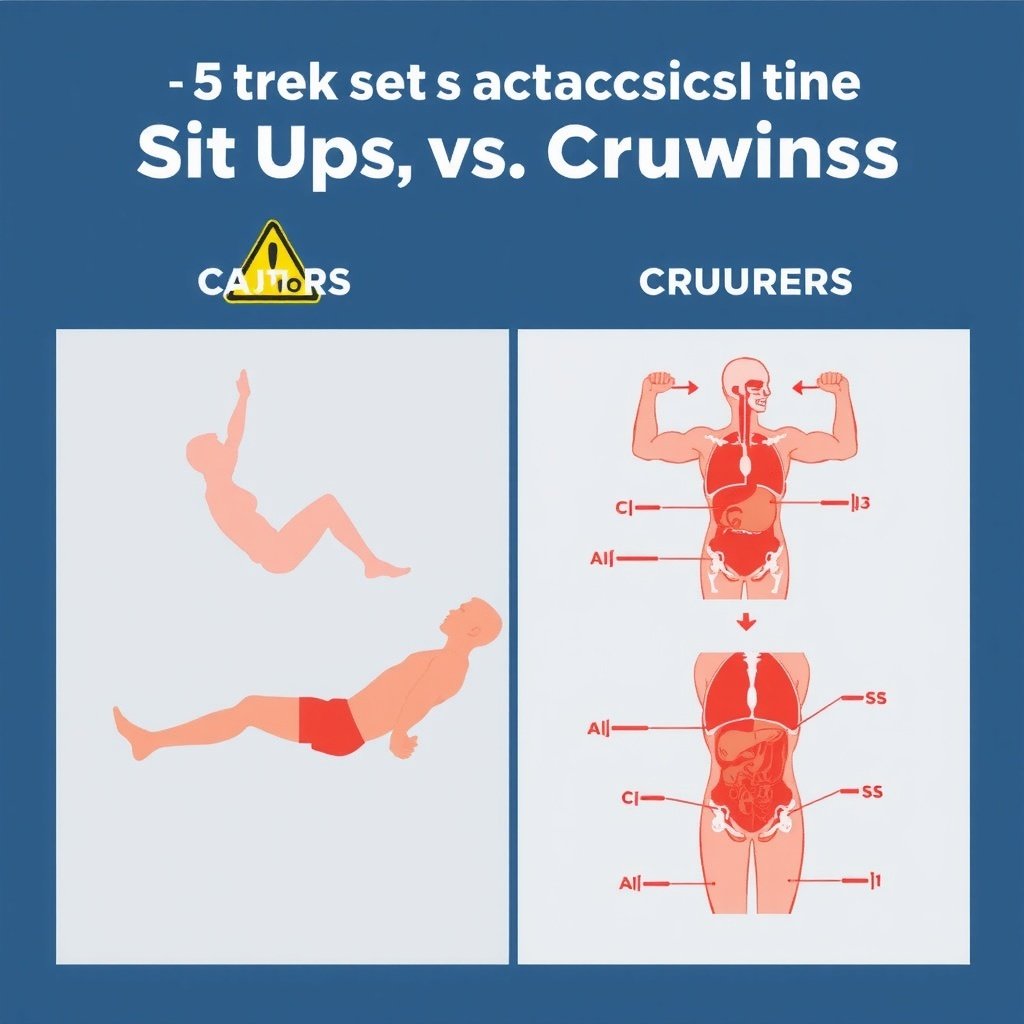
When it comes to working out your core, sit ups and crunches are two popular choices. However, they come with different injury risks. The image shows a comparison between the two exercises, highlighting their effects on the body.
On the left, sit ups are depicted. This exercise engages more muscle groups, but it can put strain on your back if done incorrectly. Many people arch their backs, which can lead to discomfort or injury over time.
On the right, crunches are illustrated. They focus more on the abdominal muscles and are generally safer for your back. However, if you pull on your neck or use improper form, you can still face risks.
Choosing between sit ups and crunches depends on your fitness level and goals. Always listen to your body and consider consulting a trainer to ensure you’re using the right technique.
Integrating Both Exercises into Your Routine
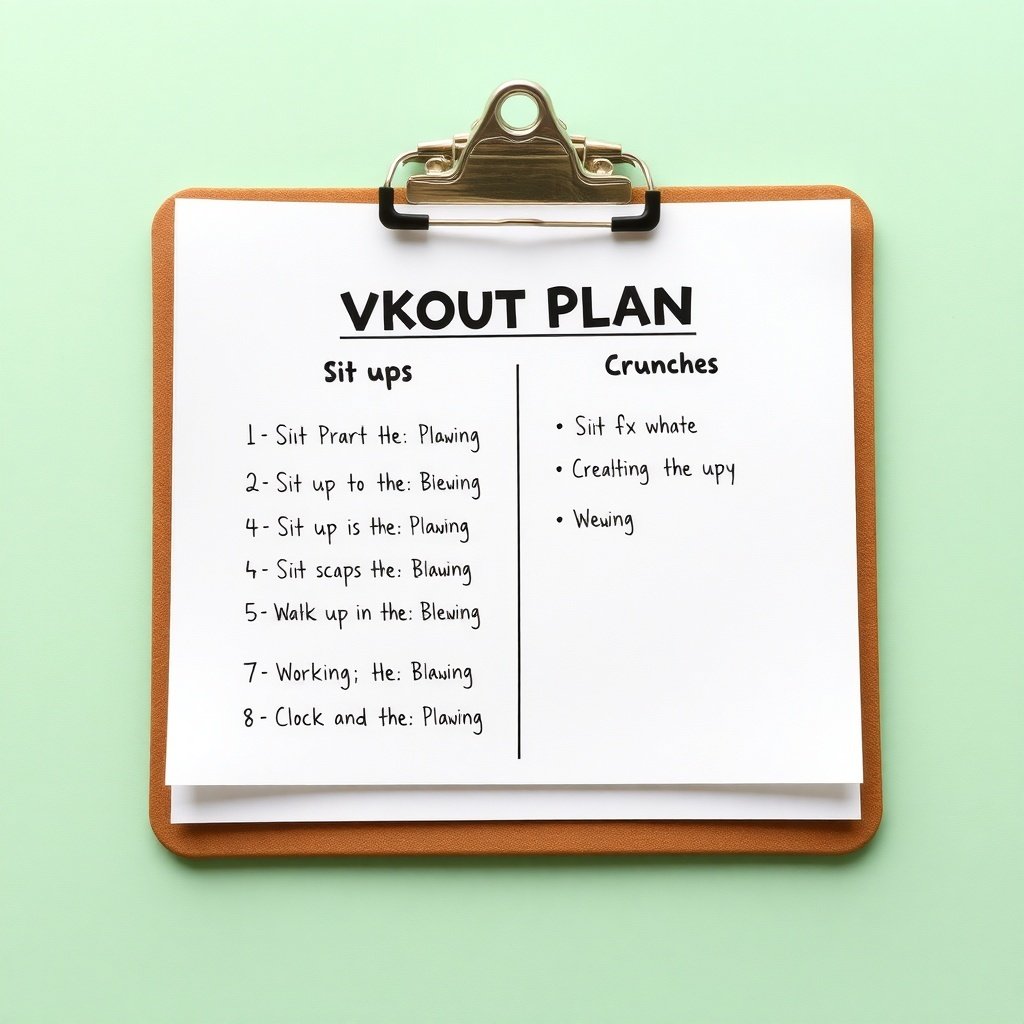
When it comes to building core strength, sit ups and crunches each have their place. The image shows a workout plan that outlines different variations of these exercises. It’s a handy guide for anyone looking to mix things up in their routine.
Incorporating both exercises can help target different muscle groups. Sit ups engage more of your core, including your hip flexors, while crunches focus primarily on the upper abs. This balance can lead to better overall strength and stability.
Start by alternating between the two in your workouts. You might do sit ups one day and crunches the next. This way, you keep your muscles guessing and avoid plateaus. Plus, it makes your routine more interesting!
Don’t forget to listen to your body. If you feel any discomfort, adjust your form or take a break. The goal is to build strength safely and effectively. With a solid plan like the one in the image, you’ll be on your way to a stronger core in no time!